Where Buckinghamshire's Ghost Stories Still Gather
Buckinghamshire’s haunted reputation is not built around one single ruin or battlefield, but around a chain of old places where social history and local storytelling cling together: the Hellfire Caves at West Wycombe, coaching inns in Aylesbury and Amersham, Tudor houses such as Chenies Manor, country estates such as Claydon and Hughenden, and older...
Page outline Jump by section
Introduction
For this project, Buckinghamshire is best understood in its historic-county sense, while noting that modern administration can confuse the map. The ceremonial county now includes the unitary areas of Buckinghamshire and Milton Keynes, while the historic county had slightly different borders and included places such as Slough and Eton; Wikimedia Commons also preserves historic-county map material for Buckinghamshire, useful as a geographic index for this kind of county-by-county folklore work.[Wikipedia]WikipediaOpen source on wikipedia.org.
Why Buckinghamshire’s ghost stories cluster around old roads, estates and inns
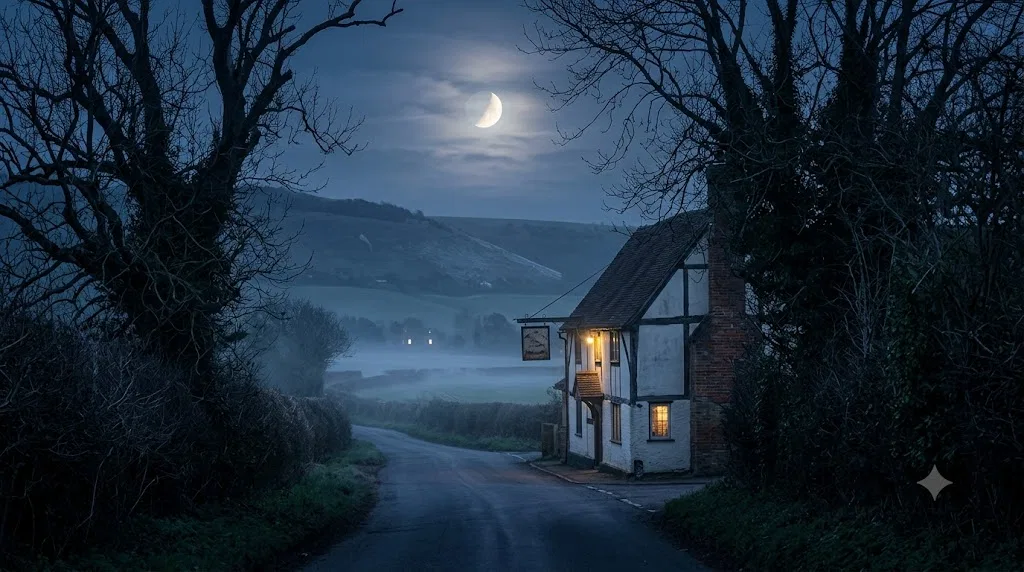
Buckinghamshire sits close enough to London to have attracted aristocrats, politicians, courtiers, travellers and later commuters, but it also keeps a strong rural and Chiltern identity. That mixture matters. Its haunted stories are rarely isolated from place. They belong to coaching routes through Aylesbury and Amersham, to the chalk landscape around West Wycombe, to Tudor and Georgian houses, to Civil War family memory, and to the older pattern of countryside folklore in lanes, fields and woods. Local storyteller and author Terrie Howey has argued that Buckinghamshire’s folk tales connect people to place and heritage, especially in a county where old settlements and new towns sit unusually close together.[The History Press]thehistorypress.co.ukbuckinghamshire where old and new sit side by sidebuckinghamshire where old and new sit side by side
This also explains why Buckinghamshire ghost lore can feel uneven in quality. Some stories are attached to heavily documented sites: listed buildings, National Trust properties, museum histories and estate archives. Others survive mainly through local retellings, paranormal directories, ghost-tour material or commercial Halloween writing. The difference does not make the weaker stories worthless; it simply changes how they should be read. A Grey Lady in an inn may tell us less about a verifiable death than about the building’s age, the intimacy of guest rooms, and the way old service work is remembered. A phantom statesman at a manor may tell us as much about public image and commemoration as about a witness report.
West Wycombe and the Hellfire Caves: Buckinghamshire’s most famous haunted landscape
The Hellfire Caves at West Wycombe are the county’s best-known supernatural attraction, partly because the place is already theatrical before any ghost enters the story. The official site describes 18th-century tunnels leading deep into the Chiltern Hills, while Historic England records the cave entrance as part of Sir Francis Dashwood’s 18th-century landscape scheme, with man-made caves running about a quarter of a mile under the hill and traditionally associated with Hell-Fire Club meetings.[The Hellfire Caves]hellfirecaves.co.ukOpen source on hellfirecaves.co.uk.
The historical core is strong. The National Trust’s West Wycombe history notes that Dashwood commissioned alterations to St Lawrence’s Church and the construction of the Dashwood family mausoleum and Hellfire Caves in the mid-1700s. The West Wycombe Estate states that the caves were originally excavated in the 1740s to give employment to villagers after harvest failures, while the Chilterns National Landscape similarly explains that chalk was dug from West Wycombe Hill in the early 1750s to help straighten the main road, now the A40.[nationaltrust.org.uk]nationaltrust.org.ukNational Trust History of West Wycombe Park, Village and HillNational Trust History of West Wycombe Park, Village and Hill
That combination is important: the caves are not simply a spooky folly. They are also a labour story, a road-improvement story and an aristocratic performance space. Later myth made Dashwood’s circle into the “Hellfire Club”, though Subterranea Britannica notes that this name was applied retrospectively to the group associated with the caves. Recent Country Life coverage also stresses that Dashwood’s reputation for satanic rites and extreme debauchery was shaped by hostile political and satirical traditions, even though his estate certainly traded in playful classical, Bacchic and anti-clerical imagery.[Subterranea Britannica]subbrit.org.ukhellfire caveshellfire caves
The ghost stories follow naturally from that setting. The caves are said in modern folklore to be haunted by Paul Whitehead, steward of Dashwood’s circle, and by Sukie, often described as a young woman or chambermaid killed after a cruel practical joke. These accounts circulate widely in paranormal and local-history retellings, but the evidential weight is different from the architectural record. A useful way to read them is as legends that grew around an already charged landscape: tunnels, a mausoleum, a church above, an “Inner Temple” below, rumours of elite libertinism, and a tourist economy that has long benefited from the place’s sinister glamour.[wordpress.com]hellfiresecrets.wordpress.comOpen source on wordpress.com.
The haunted inns of Aylesbury and Amersham
Buckinghamshire’s inns make especially good ghost-story settings because they were public, transient and intimate all at once. Travellers slept upstairs, horses and coaches moved through yards, staff lived close to guests, and rumours could pass quickly from bar to bedroom. Two of the county’s most useful examples are the King’s Head in Aylesbury and the Crown in Old Amersham.
The King’s Head in Aylesbury is far more than a generic “old pub”. The National Trust describes it as a historic 15th-century coaching inn in the heart of Aylesbury, with rare stained-glass windows, exposed wattle and daub and original stabling; Historic England lists the King’s Head Hotel in Market Square at Grade II*.[National Trust]nationaltrust.org.ukOpen source on nationaltrust.org.uk.
Its ghost stories include a Grey Lady, phantom nuns and claims of unseen forces in bedrooms, but the more interesting point is how these tales map onto the building’s layered past. Some retellings connect the site with old religious property, Civil War associations, cellars and underground passages, though the more cautious historical accounts distinguish between folklore and proof. The National Trust and Historic England give firm ground for the building’s age and importance; paranormal accounts add the atmosphere, but should be handled as local tradition rather than established fact.[spookyisles.com]spookyisles.comSpooky Isles King's Head Aylesbury And Its Paranormal MysteriesSpooky Isles King's Head Aylesbury And Its Paranormal Mysteries
The Crown in Amersham has a different flavour. Amersham Museum records the Crown as one of several old Buckinghamshire inns claiming to be haunted, citing the story of a grey-clad female figure who appears particularly in visitors’ bedrooms, where clothes are said to be repacked or removed from luggage. The same museum account notes a darker local legend in which a maid and child were killed, while the inn’s own history presents it as a coaching inn in Old Amersham with origins dating to the Elizabethan period and more than 400 years of stories.[Amersham Museum]amershammuseum.orgOpen source on amershammuseum.org.
The Crown’s ghost is a good example of a haunting that feels socially specific. The apparition is not a grand aristocrat or battlefield hero, but a woman associated with domestic service, bedrooms and luggage. Whether or not one believes the apparition reports, the legend remembers the vulnerability and invisibility of servants in old inns. It also shows how a hotel’s commercial history and its ghost reputation can become inseparable: guests arrive for heritage, comfort and a little unease.
Tudor houses and royal shadows: Chenies Manor
Chenies Manor is often pulled into Buckinghamshire ghost lists because of its Tudor atmosphere and royal associations. The house’s own site describes it as a Tudor Grade I listed building historically frequented by royalty, while Historic Houses states that Henry VIII and Elizabeth I were visitors and notes original medieval features including a well, dungeon and reputed priest hole. Wessex Archaeology adds a firmer archaeological frame, describing the surviving remains as predominantly Tudor or post-medieval and Grade I listed.[cheniesmanorhouse.co.uk]cheniesmanorhouse.co.ukOpen source on cheniesmanorhouse.co.uk.
The haunting tradition tends to focus on Henry VIII’s presence, heavy footsteps, and the broader imaginative pull of his executed wives, Anne Boleyn and Catherine Howard. This is exactly the kind of story that needs careful wording. Henry VIII’s visits and the manor’s Tudor importance are historically grounded; the idea that his ghost walks the stairways belongs to later folklore and paranormal tourism. The power of the tale comes from the collision between real Tudor politics and the modern habit of reading old houses as emotionally charged spaces.
Chenies also shows why “haunted Buckinghamshire” should not be reduced to a checklist of sightings. The house has been changed, reduced and investigated over time. Archaeological work has explored the footprint of a larger Tudor mansion, and surviving fabric does not necessarily match the house as Tudor visitors would have known it. That uncertainty can make the ghost story more evocative, but it also makes scepticism necessary: the imagined Tudor scene and the surviving building are related, not identical.[Wikipedia]WikipediaChenies Manor HouseChenies Manor House
Civil War memory at Claydon House
Claydon House near Middle Claydon gives Buckinghamshire one of its strongest links between family history and ghost tradition. The National Trust records that Claydon has been home to the Verney family since 1620 and that Sir Edmund Verney, a courtier and politician, supported the Royalist cause during the English Civil War. In 1642 he was appointed Bearer of the King’s Standard and died at the Battle of Edge Hill while refusing to surrender it.[National Trust]nationaltrust.org.ukthe history of claydon housethe history of claydon house
The ghost story attached to Sir Edmund is simple but powerful: his spirit is said to haunt Claydon House, while wider Edgehill folklore tells of ghostly armies and repeated phantom battle scenes. The battlefield itself lies in Warwickshire, so it should not be treated as a Buckinghamshire haunting in a narrow geographic sense. Yet Sir Edmund’s family seat at Claydon gives the county a direct link to that Civil War legend, and the Battlefield Trust’s record of his memorial at All Saints, Middle Claydon, anchors the story in a real commemorative landscape.[Battlefields Trust]battlefieldstrust.comOpen source on battlefieldstrust.com.
Claydon’s haunting is therefore best read as a story of loyalty, violence and memory travelling back from the battlefield to the ancestral house. It is not a roadside apparition tale or a hotel poltergeist. It is a family legend shaped by public history: the death of a named man, the symbolism of a captured standard, and the long afterlife of Civil War allegiance in country-house identity.
Hughenden Manor and the ghost of Disraeli
Hughenden Manor’s alleged haunting is quieter but revealing. The National Trust presents Hughenden as Benjamin Disraeli’s Buckinghamshire sanctuary, the country home of the Victorian prime minister, novelist and political figure. The house also had a later wartime role: Hughenden’s basement was used as a secret intelligence base known as “Hillside”, where Air Ministry staff analysed aerial photographs and created maps for bombing missions.[National Trust]nationaltrust.org.ukOpen source on nationaltrust.org.uk.
Modern ghost accounts sometimes claim that Disraeli’s apparition has been seen inside the house, often smiling near the stairs or appearing in upper rooms. These stories are much thinner than the documented history of the house and its owner, but they are still interesting as mythmaking. Disraeli was famously concerned with image, theatricality and self-presentation, and recent exhibition coverage has described Hughenden as a stage and backdrop for his own legend. A ghostly Disraeli therefore fits the place not because it proves survival after death, but because the house itself is already a curated memory of a public man.[Travel Life]travellifemag.co.ukTravel Life Myth & Mythmaking: A New Exhibition At Hughenden ManorTravel Life Myth & Mythmaking: A New Exhibition At Hughenden Manor
Sceptically, the Hughenden ghost also shows how famous former residents attract apparitions. A building associated with a national figure can develop a haunting almost by narrative gravity: visitors expect presence, guides preserve anecdotes, and ordinary creaks become easier to interpret as personality. The tale is still part of Buckinghamshire’s haunted map, but it rests on reported tradition rather than on the stronger documentary base available for Disraeli’s life and the house’s wartime use.
Black dogs, strange beasts and the folklore of the lanes
Not all Buckinghamshire hauntings belong indoors. The county also participates in the wider British tradition of phantom black dogs and uncanny roadside creatures. One widely repeated Buckinghamshire example is the Black Dog of Aylesbury, in which a man walking to milk cows encounters a sinister black dog on successive nights; when he strikes at it with the yoke of his milk pails, the dog vanishes and he is left speechless and paralysed. This story is preserved in broader black-dog folklore summaries and sits within a national pattern in which black dogs appear at roads, thresholds, churchyards and liminal places.[Wikipedia]WikipediaBlack dog (folkloreBlack dog (folklore
The county’s modern folklore also includes “big cat” and “Beast of Bucks” material, especially around the Chilterns and wooded edges of towns. The Paranormal Database records Buckinghamshire reports ranging from apparitions to strange animals, including a Wendover road encounter initially thought to involve a large black dog but later interpreted by the witness as a large black cat. Such accounts sit on the border between ghost lore, animal misidentification, rumour and modern legend.[paranormaldatabase.com]paranormaldatabase.comOpen source on paranormaldatabase.com.
These stories matter because they keep Buckinghamshire’s haunted geography from becoming only a list of ticketed attractions. They belong to lanes, woods, exits from car parks, farm paths and late-night drives. They also show how older supernatural motifs adapt to modern conditions: the spectral hound becomes a “big cat”; the lonely footpath becomes the road seen through headlights; the folk warning becomes a near-miss anecdote.
How credible are Buckinghamshire’s haunted stories?
The most credible way to approach Buckinghamshire’s hauntings is to separate three layers: the documented place, the preserved tradition and the claimed experience. The documented place is often strong. West Wycombe’s caves, the King’s Head, Chenies Manor, Claydon House and Hughenden all have substantial historic records, listings, institutional histories or archaeological evidence. Their age, ownership, architecture and social importance are not in serious doubt.[historicengland.org.uk]historicengland.org.ukHistoric England The Cave, West WycombeHistoric England The Cave, West Wycombe
The preserved tradition is more mixed. Amersham Museum’s account of the Crown’s grey-clad female figure is valuable because it names the local tradition and places it inside a specific building history. The Paranormal Database is useful as a large index of reports and folklore, but it should be treated as a finding aid rather than as proof. Commercial haunted-place pages can help identify what stories are currently circulating, but they often compress, dramatise or repeat material without enough sourcing to settle dates and origins.[amershammuseum.org]amershammuseum.orgOpen source on amershammuseum.org.
The claimed experience is the most fragile layer. Footsteps, cold spots, figures on stairs, voices, moved clothing and animal shapes seen at night are all common ghost-story forms. Sceptical explanations can include building acoustics, suggestibility, sleep disturbance, misremembered local history, animal sightings, car headlights, tourism storytelling and the emotional effect of old architecture. That does not make the stories meaningless. It simply means they are best read as folklore attached to real places, not as confirmed supernatural events.
Visiting Buckinghamshire’s haunted places with the right expectations
For visitors, the richest route begins at West Wycombe, where the Hellfire Caves, St Lawrence’s Church, the Dashwood Mausoleum, the village and West Wycombe Park form one of the most atmospheric haunted landscapes in southern England. The caves are open as a visitor attraction, and the National Trust manages West Wycombe Park, Village and Hill, making the area unusually easy to read as a single landscape of architecture, rumour and performance.[National Trust]nationaltrust.org.ukNational Trust West Wycombe Park, Village and Hill | BucksNational Trust West Wycombe Park, Village and Hill | Bucks
A second route follows the old inn culture of the county: the King’s Head in Aylesbury and the Crown in Amersham. These are not just “haunted pubs” but survivals of a travelling world of markets, coaches, rooms, yards and servants. Their ghost stories make most sense when read alongside their public history as working inns.[National Trust]nationaltrust.org.ukOpen source on nationaltrust.org.uk.
A third route turns to country-house memory: Chenies for Tudor atmosphere, Claydon for Civil War family legend, and Hughenden for Disraeli’s carefully preserved afterlife as a national figure. These houses show how hauntings often attach themselves to named people and famous eras, even when the supernatural evidence remains anecdotal.[historichouses.org]historichouses.orgOpen source on historichouses.org.
The best way to enjoy Buckinghamshire’s haunted history is therefore neither blind belief nor flat dismissal. Treat the ghosts as stories that point towards something: a dangerous road, an old service staircase, a family trauma, a scandalous club, a political legend, a house that has outlived its owners. In Buckinghamshire, the haunting is often less a single apparition than a method of remembering why a place feels charged after dark.
Amazon book picks
Further Reading
Books and field guides related to Where Buckinghamshire's Ghost Stories Still Gather. Use these as the next step if you want deeper reading beyond the article.
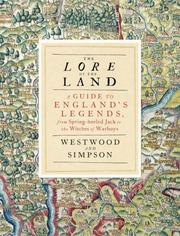
The lore of the land
Places Buckinghamshire legends within English folklore traditions.
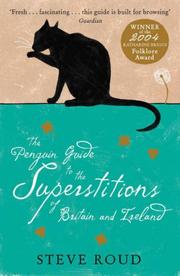
The Penguin Guide to the Superstitions of Britain and Ireland
Explains the wider folklore traditions behind county ghost stories.

Ghosts
First published 2015. Subjects: Ghosts, History, BODY, MIND & SPIRIT, Parapsychology, General.
eBay marketplace picks
Marketplace Samples
Live-tested eBay searches with available results related to this page.

Endnotes
1.
Source: Wikipedia
Link:https://en.wikipedia.org/wiki/Buckinghamshire
2.
Source: commons.wikimedia.org
Title: Category:Maps of Buckinghamshire
Link:https://commons.wikimedia.org/wiki/Category%3AMaps_of_Buckinghamshire
3.
Source: westwycombeestate.co.uk
Title: the hellfire caves
Link:https://www.westwycombeestate.co.uk/the-hellfire-caves
4.
Source: paranormaldatabase.com
Title: The Paranormal Database
Link:https://www.paranormaldatabase.com/buckinghamshire/buckdata.php
5.
Source: Wikipedia
Title: King’s Head Inn, Aylesbury
Link:https://en.wikipedia.org/wiki/King%27s_Head_Inn%2C_Aylesbury
6.
Source: Wikipedia
Title: Chenies Manor House
Link:https://en.wikipedia.org/wiki/Chenies_Manor_House
7.
Source: Wikipedia
Title: Hughenden Manor
Link:https://en.wikipedia.org/wiki/Hughenden_Manor
8.
Source: Wikipedia
Title: Black dog (folklore)
Link:https://en.wikipedia.org/wiki/Black_dog_%28folklore%29
9.
Source: paranormaldatabase.com
Link:https://www.paranormaldatabase.com/buckinghamshire/buckdata.php?pageNum_paradata=5
10.
Source: Wikipedia
Title: Hellfire Caves
Link:https://en.wikipedia.org/wiki/Hellfire_Caves
11.
Source: Wikipedia
Title: Claydon House
Link:https://en.wikipedia.org/wiki/Claydon_House
12.
Source: Wikipedia
Title: Stowe House
Link:https://en.wikipedia.org/wiki/Stowe_House
13.
Source: Wikipedia
Title: Milton Keynes
Link:https://en.wikipedia.org/wiki/Milton_Keynes
14.
Source: commons.wikimedia.org
Title: Category:Old maps of Buckinghamshire
Link:https://commons.wikimedia.org/wiki/Category%3AOld_maps_of_Buckinghamshire
15.
Source: commons.wikimedia.org
Title: Category:19th century maps of Buckinghamshire
Link:https://commons.wikimedia.org/wiki/Category%3A19th-century_maps_of_Buckinghamshire
16.
Source: commons.wikimedia.org
Title: File:Buckinghamshire numbered districts (1974 2020).svg
Link:https://commons.wikimedia.org/wiki/File%3ABuckinghamshire_numbered_districts_%281974-2020%29.svg
17.
Source: commons.wikimedia.org
Title: File:Buckinghamshire 1832 Map.png
Link:https://commons.wikimedia.org/wiki/File%3ABuckinghamshire_1832_Map.png
18.
Source: commons.wikimedia.org
Title: Category:Historic counties of England
Link:https://commons.wikimedia.org/wiki/Category%3AHistoric_counties_of_England
19.
Source: commons.wikimedia.org
Title: File:Buckinghamshire outline map with UK.png
Link:https://commons.wikimedia.org/wiki/File%3ABuckinghamshire_outline_map_with_UK.png
20.
Source: commons.wikimedia.org
Title: File:Buckinghamshire map.png
Link:https://commons.wikimedia.org/wiki/File%3ABuckinghamshire_map.png
21.
Source: commons.wikimedia.org
Title: File:English counties 1851 (numbered).svg
Link:https://commons.wikimedia.org/wiki/File%3AEnglish_counties_1851_%28numbered%29.svg
22.
Source: paranormaldatabase.com
Link:https://www.paranormaldatabase.com/buckinghamshire/buckdata.php?pageNum_paradata=3
23.
Source: hellfirecaves.co.uk
Link:https://www.hellfirecaves.co.uk/history
24.
Source: nationaltrust.org.uk
Title: National Trust History of West Wycombe Park, Village and Hill
Link:https://www.nationaltrust.org.uk/visit/oxfordshire-buckinghamshire-berkshire/west-wycombe-park-village-and-hill/history-of-west-wycombe-park-village-and-hill
25.
Source: amershammuseum.org
Link:https://amershammuseum.org/history/old-town/market-square/crown-hotel-14-market-sq/
26.
Source: nationaltrust.org.uk
Title: the history of claydon house
Link:https://www.nationaltrust.org.uk/visit/oxfordshire-buckinghamshire-berkshire/claydon-house/the-history-of-claydon-house
27.
Source: thehistorypress.co.uk
Title: buckinghamshire where old and new sit side by side
Link:https://thehistorypress.co.uk/article/buckinghamshire-where-old-and-new-sit-side-by-side/
28.
Source: hellfirecaves.co.uk
Link:https://www.hellfirecaves.co.uk/
29.
Source: historicengland.org.uk
Title: Historic England The Cave, West Wycombe
Link:https://historicengland.org.uk/listing/the-list/list-entry/1332393
30.
Source: subbrit.org.uk
Title: hellfire caves
Link:https://www.subbrit.org.uk/sites/hellfire-caves/
31.
Source: hellfiresecrets.wordpress.com
Link:https://hellfiresecrets.wordpress.com/2013/09/02/ghosts-satanism-and-19th-century-tourism-at-west-wycombe/
32.
Source: hauntedrooms.co.uk
Link:https://www.hauntedrooms.co.uk/hellfire-caves-ghost-hunts-buckinghamshire
33.
Source: nationaltrust.org.uk
Link:https://www.nationaltrust.org.uk/visit/oxfordshire-buckinghamshire-berkshire/kings-head
34.
Source: historicengland.org.uk
Title: Historic England The Kings Head Hotel, Aylesbury
Link:https://historicengland.org.uk/listing/the-list/list-entry/1160205
35.
Source: spookyisles.com
Title: Spooky Isles King’s Head Aylesbury And Its Paranormal Mysteries
Link:https://www.spookyisles.com/kings-head-aylesbury-ghosts/
36.
Source: thecrownamersham.com
Link:https://thecrownamersham.com/history/
37.
Source: cheniesmanorhouse.co.uk
Link:https://www.cheniesmanorhouse.co.uk/
38.
Source: historichouses.org
Link:https://www.historichouses.org/house/chenies-manor-house/
39.
Source: battlefieldstrust.com
Link:https://www.battlefieldstrust.com/memorial/memorial.asp?MemorialID=133
40.
Source: nationaltrust.org.uk
Link:https://www.nationaltrust.org.uk/discover/history/people/benjamin-disraeli-hughenden
41.
Source: travellifemag.co.uk
Title: Travel Life Myth & Mythmaking: A New Exhibition At Hughenden Manor
Link:https://travellifemag.co.uk/myth-mythmaking-a-new-exhibition-at-hughenden-manor/
42.
Source: hauntedrooms.co.uk
Link:https://www.hauntedrooms.co.uk/haunted-places/buckinghamshire
43.
Source: nationaltrust.org.uk
Title: National Trust West Wycombe Park, Village and Hill | Bucks
Link:https://www.nationaltrust.org.uk/visit/oxfordshire-buckinghamshire-berkshire/west-wycombe-park-village-and-hill
44.
Source: facebook.com
Link:https://www.facebook.com/groups/1561009117523011/posts/2259167634373819/
45.
Source: facebook.com
Link:https://www.facebook.com/ParanormalFilesuk/photos/the-haunted-history-of-the-crown-inn-ghosts-of-old-amershamnestled-in-the-pictur/919424433498590/
46.
Source: artuk.org
Link:https://artuk.org/visit/venues/national-trust-the-kings-head-aylesbury-7450
47.
Source: nationaltrust.org.uk
Link:https://www.nationaltrust.org.uk/visit/oxfordshire-buckinghamshire-berkshire/claydon-house/the-house-at-claydon
48.
Source: nationaltrust.org.uk
Link:https://www.nationaltrust.org.uk/visit/oxfordshire-buckinghamshire-berkshire/claydon-house
49.
Source: nationaltrust.org.uk
Title: were going on a ghost hunt at hughenden this halloween
Link:https://www.nationaltrust.org.uk/visit/oxfordshire-buckinghamshire-berkshire/hughenden/were-going-on-a-ghost-hunt-at-hughenden-this-halloween
50.
Source: nationaltrust.org.uk
Link:https://www.nationaltrust.org.uk/visit/oxfordshire-buckinghamshire-berkshire/stowe-gardens/history-of-stowe
51.
Source: heritagexplore.com
Title: Hellfire Caves
Link:https://www.heritagexplore.com/houses/hellfire-caves/
52.
Source: historicengland.org.uk
Link:https://historicengland.org.uk/images-books/publications/buckinghamshire-historic-landscape-characterisation/hlcmethodologypart1/
53.
Source: historicengland.org.uk
Title: The Manor House, Chenies
Link:https://historicengland.org.uk/listing/the-list/list-entry/1332531
54.
Source: historicengland.org.uk
Link:https://historicengland.org.uk/listing/the-list/results/
55.
Source: claydonestate.co.uk
Title: Sir Edmund Verney
Link:https://claydonestate.co.uk/history/sir-edmund-verney/
56.
Source: hauntedhosts.com
Title: Chenies Manor House Footsteps
Link:https://hauntedhosts.com/haunted-places/buckinghamshire/location/3300-chenies-manor-house-footsteps
57.
Source: spookyisles.com
Title: most haunted hellfire caves
Link:https://www.spookyisles.com/most-haunted-hellfire-caves/
58.
Source: spookyisles.com
Title: folklore of night time sounds
Link:https://www.spookyisles.com/folklore-of-night-time-sounds/
59.
Source: wikishire.co.uk
Link:https://wikishire.co.uk/wiki/Buckinghamshire
60.
Source: x.com
Link:https://x.com/HistoricEngland/status/1986690110725787906
61.
Source: nationaltrustscones.com
Title: claydon scones.html
Link:https://www.nationaltrustscones.com/2022/09/claydon-scones.html.html
62.
Source: bitesizedbritain.co.uk
Title: The Hellfire Caves
Link:https://www.bitesizedbritain.co.uk/the-hellfire-caves—-home-of-the-legendary-hellfire-club11/
63.
Source: chilternsaonb.org
Title: chenies manor
Link:https://www.chilternsaonb.org/map_marker/chenies-manor/
64.
Source: gaslight-arts.com
Title: Edge Hill
Link:https://gaslight-arts.com/EdgeHill.html
65.
Source: goodreads.com
Link:https://www.goodreads.com/en/book/show/50149623
66.
Source: historichouses.org
Link:https://www.historichouses.org/house/stowe-house/
67.
Source: davidkiddhewitt.wordpress.com
Title: the hell fire club and the mystery of paul whiteheads heart
Link:https://davidkiddhewitt.wordpress.com/2017/05/24/the-hell-fire-club-and-the-mystery-of-paul-whiteheads-heart/
68.
Source: burialsandbeyond.com
Title: the hellfire caves sex drugs and darkness
Link:https://burialsandbeyond.com/2022/08/29/the-hellfire-caves-sex-drugs-and-darkness/
69.
Source: thelittlehouseofhorrors.com
Link:https://thelittlehouseofhorrors.com/the-hellfire-caves/
70.
Source: monarchies.fandom.com
Link:https://monarchies.fandom.com/wiki/Buckinghamshire
71.
Source: bucksgardenstrust.org.uk
Title: Chenies Manor
Link:https://www.bucksgardenstrust.org.uk/wp-content/uploads/2016/02/Chenies_Manor.pdf
72.
Source: gazetteer.org.uk
Link:https://gazetteer.org.uk/place/Chenies_Manor_House%2C_Buckinghamshire_303198
Additional References
73.
Source: countrylife.co.uk
Link:https://www.countrylife.co.uk/architecture/west-wycombe-park-the-neo-classical-country-seat-created-by-a-man-smeared-as-a-convenor-of-orgies-satanic-rites-and-a-leading-light-of-the-notorious-hellfire-club-of-18th-century-london
Source snippet
In reality, Dashwood's club—the Knights of St Francis of Wycombe—focused more on social and artistic pursuits, including angling. An ecce...
74.
Source: youtube.com
Title: The ghost of the white lady of west Wycombe
Link:https://www.youtube.com/watch?v=UhYvZqt7bdU
Source snippet
THE GHOSTS AND HISTORY OF THE ROYAL STANDARD OF ENGLAND, FORTY GREEN, BEACONSFIELD...
75.
Source: youtube.com
Title: The Town of Endless Ghost Sightings | World’s Most Unexplained 116
Link:https://www.youtube.com/watch?v=ZTa6j6zLZXU
Source snippet
The ghost of the white lady of west Wycombe...
76.
Source: redphoenixstory.co.uk
Link:https://redphoenixstory.co.uk/about-us-1
77.
Source: instagram.com
Link:https://www.instagram.com/reel/DVy5MfBCi1q/
78.
Source: facebook.com
Link:https://www.facebook.com/groups/312020185918525/posts/2350954138691776/
79.
Source: abcounties.com
Link:https://abcounties.com/counties/county-profiles/buckinghamshire/
80.
Source: gbmaps.com
Link:https://www.gbmaps.com/free-county-maps/Buckinghamshire.php
81.
Source: amazon.com
Link:https://www.amazon.com/Buckinghamshire-Folk-Tales-Terrie-Howey-ebook/dp/B07SKDR4MD?tag=searcht-20
82.
Source: ebook.de
Link:https://www.ebook.de/de/product/32751862/terrie_howey_buckinghamshire_folk_tales.html?srsltid=AfmBOopVyMILou3tTsx5kcuSwqVzM2D71TOV71guZ_xJGJD2glXKVOUd
Topic Tree
Follow this branch
Related pages 91
- Haunted Clackmannanshire
- Haunted Antrim
- Haunted Armagh
- Haunted Durham
- Haunted Londonderry
- +86 more in sidebar