Why Does Sussex Feel So Haunted?
Sussex has one of the richest haunted landscapes in southern England because its ghost stories cling to places that already feel historically charged: a battlefield where England changed course in 1066, Roman and Norman fortifications at Pevensey, ruined Tudor grandeur at Cowdray, lonely chalk valleys on the South Downs, old theatres and manor houses in...
Page outline Jump by section
Introduction
For a haunted-history page, that distinction matters. The folklore does not stop neatly at council lines. A Sussex haunting may be marketed today as “East Sussex” or “West Sussex”, but the older story often belongs to Sussex as a historic county: the Downs, the Weald, the coast, the old roads to Brighton and Chichester, and the long memory of monasteries, castles, inns and ancient tracks.
Why Sussex feels so haunted
Sussex ghost stories work because the county’s landscape has strong contrasts. The chalk Downs are open, windy and ancient-looking; the Weald has a deeper, wooded atmosphere; the coast carries invasion stories, shipwreck weather and cliff legends; Brighton adds theatres, seafront hotels and urban ghost walks. Folklorist Jacqueline Simpson’s The Folklore of Sussex, first published in 1973 and later revised, is still a key modern collection because it treats Sussex as a county of traditional stories rather than just a list of spooky attractions: lost bells, buried treasure, dragons, fairies, the Devil, ghosts, graves, gibbets and witches all sit in the same storytelling world.[The History Press]thehistorypress.co.ukOpen source on thehistorypress.co.uk.
That mixture is important. Sussex hauntings are rarely just “a figure in a corridor”. They are often attached to a reason a place mattered: a battle, a dissolved monastery, a drowned family line, a crashed train, a Roman fort, a country-house séance, or a local road warning. The supernatural detail gives the memory a shape. A phantom monk at an abbey says something about religious rupture; a grey lady in a theatre says something about performance and backstage myth; a road apparition says something about dangerous travel, darkness and the vulnerability of moving through the countryside at night.
The best-known Sussex stories also sit in a middle ground between folklore and heritage tourism. English Heritage, the National Trust, local museums, ghost-walk operators and regional writers all preserve different versions of the same atmosphere. Battle Abbey and Pevensey Castle are major historic sites before they are haunted sites, while Preston Manor in Brighton has become unusually explicit about its ghostly reputation through museum interpretation and public events.[English Heritage]english-heritage.org.uk1066 battle of hastings abbey and battlefield1066 battle of hastings abbey and battlefield
Battle Abbey: ghosts on the field of 1066
The most powerful haunted setting in Sussex is Battle, where English Heritage manages the abbey and battlefield associated with the Battle of Hastings. The abbey was founded by William after the conquest and is traditionally said to stand on the spot where King Harold died, giving the place a rare combination of national history and local eeriness.[English Heritage]english-heritage.org.uk1066 battle of hastings abbey and battlefield1066 battle of hastings abbey and battlefield
The ghost stories here grow directly out of that historical weight. Battle Abbey is commonly associated with spectral monks, battle cries in the wind, shadowy figures among the ruins and the image of Harold himself, sometimes imagined with the famous arrow-in-the-eye motif. Modern ghost-tour publicity leans into the site’s reputation, describing “ghostly goings-on”, battle cries and vanishing figures as part of the after-dark visitor experience.[Visit 1066 Country]visit1066country.comghost tours at battle abbey 16 p1843401ghost tours at battle abbey 16 p1843401
The credibility of these stories varies sharply. The battlefield is unquestionably historic, but the ghost accounts are mostly tradition, performance and later retelling rather than a securely documented chain of witness testimony. One useful sceptical point is that the most dramatic Harold apparition is far better known as legend than as a well-evidenced sighting. A local-history account of Battle Abbey’s ghost lore notes that the popular image of Harold staggering near his memorial stone is enduring, but not strongly supported by personal sighting records.[Normandy Then and Now]normandythenandnow.comNormandy Then and Now The ghosts of Normandy past, in Sussex EnglandNormandy Then and Now The ghosts of Normandy past, in Sussex England
That does not make the story worthless. It explains why the haunting became famous. Battle is a place where visitors already arrive imagining the dead. The ruins, the slope of the battlefield and the abbey’s foundation story encourage the mind to turn history into presence. In Sussex haunted history, Battle Abbey is less a “case file” than a memory machine: a site where national trauma becomes audible as cries, footsteps and monks who never quite leave.
Pevensey Castle: Roman walls, Norman invasion and white-lady traditions
Pevensey Castle offers another classic Sussex pattern: a real military site layered with legends from different periods. English Heritage describes Pevensey as the largest of the Roman Saxon Shore forts, begun around AD 290, with walls more than 500 metres long still standing close to their full height. It was also where William the Conqueror landed on 28 September 1066 before building defences inside the Roman fort, and the site was reused again in 1940 with camouflaged machine-gun posts set into the old walls.[English Heritage]english-heritage.org.ukOpen source on english-heritage.org.uk.
That long timeline makes Pevensey especially good ground for ghost stories. Modern accounts associate it with phantom marching, voices, white ladies, monks, Romans and darker local tales. Pevensey ghost walks have drawn on that mixture for decades, advertising lantern-led stories of “white ladies to smugglers, monks to romans”, which shows how the castle’s haunting tradition works as a compressed version of Sussex history: Roman, Norman, medieval, smuggling coast and modern tourism all in one circuit.[Visit 1066 Country]visit1066country.compevensey ghost walk p2535511pevensey ghost walk p2535511
One recurring story is the “pale lady” or Lady Pelham figure, sometimes connected with sightings on or near the castle defences. Another strand concerns the sound of marching feet and unintelligible voices, usually tied imaginatively to Roman soldiers training or patrolling within the old fort. These are not claims that can be treated as verified evidence, but they are revealing. Pevensey’s ghosts often behave like echoes of garrison life: marching, guarding, watching from walls, or appearing where the castle’s military past is easiest to picture.[Time Travel Britain]timetravel-britain.comOpen source on timetravel-britain.com.
The sceptical reading is straightforward. A huge ruin with Roman walls, medieval masonry and invasion associations invites visitors to hear the past. Wind, birds, distant traffic, other visitors and the acoustics of stone can all help create suggestive experiences. The folklore reading is just as strong: Pevensey turns Sussex’s invasion history into a haunted borderland between land and sea.
Cowdray: the curse of fire and water
Cowdray House near Midhurst is one of the most memorable haunted ruins in West Sussex because its legend has a neat, almost literary shape. Historic England lists the ruins as Grade I, and the wider Cowdray landscape entry records that the house survives as a ruin after near-complete destruction by fire in 1793. Cowdray Estate describes the ruins as one of England’s important early Tudor houses, visited by Henry VIII and Elizabeth I.[Historic England]historicengland.org.ukHistoric England The Ruins of Cowdray House, EasebourneHistoric England The Ruins of Cowdray House, Easebourne
The famous legend says the Browne family were cursed after benefiting from the Dissolution of the Monasteries, with a prophecy that the line would end by fire and water. Retellings connect the “fire” to the 1793 destruction of Cowdray and the “water” to deaths by drowning in the family story. Regional accounts commonly link the curse to a monk from Battle or to monastic dispossession more broadly.[Sussex Exclusive]sussexexclusive.comSussex Exclusive The Curse of Cowdray Ruins, Midhurst, West SussexSussex Exclusive The Curse of Cowdray Ruins, Midhurst, West Sussex
Cowdray’s haunted reputation also includes apparitions said to move between the ruins and the town, including women associated in tradition with the former household. The detail matters less than the pattern: this is a haunting about aristocratic rise, religious violence, ruin and inheritance. Unlike a single witness report, the Cowdray curse reads as a moral story imposed on real misfortunes after the fact. The destruction of a great Tudor house by fire is documented; the curse is folklore trying to make that destruction feel fated.
As a Sussex haunted place, Cowdray is especially strong because the ruin itself does so much of the storytelling. Empty windows, surviving walls, the Rother valley setting and the knowledge of Tudor splendour lost to fire make the legend feel plausible even when the evidence for the curse remains traditional rather than historical.
Brighton’s haunted houses and theatres
Brighton gives Sussex a different type of haunting: urban, theatrical and unusually well documented in public-facing heritage interpretation. Preston Manor is the clearest example. Brighton & Hove’s museum service presents Preston Manor as “most haunted” and describes traditions of ghostly sightings and supernatural experiences going back through the house’s history, including Sister Agnes, a medieval nun said to have helped travellers.[Brighton & Hove City Council]brighton-hove.gov.ukOpen source on brighton-hove.gov.uk.
A more detailed museum article about Lily MacDonald, one of the young witnesses associated with Preston Manor’s White Lady story, is particularly useful because it does not simply repeat the legend. It explains that Lily and Diana described a white-robed female figure with loose golden hair, that a séance was held in 1896 with spiritualist Ada Goodrich Freer and Ghost Club member Thomas Douglas Murray, and that later interpretation identifying the figure as a nun is questionable. The same article notes that Freer was later denounced as a fraudulent medium, which complicates the séance evidence.[Brighton & Hove Museums]brightonmuseums.org.ukOpen source on brightonmuseums.org.uk.
That is exactly the kind of tension that makes Preston Manor valuable for haunted-history readers. It has named witnesses, dates, a séance, later museum interpretation and sceptical doubt. The story is not just “a nun was seen”; it is a case study in how a Victorian and Edwardian household, spiritualism, local archaeology and later heritage tourism can combine into one enduring ghost.
Brighton’s Theatre Royal adds a backstage version of the same process. The theatre’s Grey Lady has been associated with sightings by managers and staff, including accounts from 1960, the 1970s and 1980s. Some versions connect the figure with Sarah Bernhardt, who performed there, while other interpretations suggest Mrs Nye Chart, the former manager and actress, may be a more plausible identity for a benevolent grey-clad presence.[ghostwalkbrighton.co.uk]ghostwalkbrighton.co.ukTH E GREY LADYTH E GREY LADY
Theatre ghosts are rarely just about death. They are about repetition: dressing rooms, corridors, curtains, late-night work, anxious performances and the sense that past actors still occupy the building. In Sussex terms, the Theatre Royal shows how haunted history can attach not only to castles and abbeys, but to places of entertainment where memory is part of the architecture.
Roads, tunnels and travelling ghosts
Some of Sussex’s most unsettling ghost stories belong not to buildings but to journeys. Roads and railway lines create a different kind of haunting because the witness is moving, often at dusk or night, through a liminal space. The old London-to-Brighton route is especially rich in reported apparitions, and The Paranormal Database summarises Sussex road lore as including numerous ghostly figures said to interact with drivers.[Paranormal Database]paranormaldatabase.comOpen source on paranormaldatabase.com.
The Clayton Tunnel story is one of the strongest because it is anchored in a real disaster. The Clayton Tunnel rail crash took place on 25 August 1861 near Brighton. The Railways Archive identifies the location as Clayton Tunnel, the operator as the London, Brighton & South Coast Railway, and the primary cause as signaller error. Other accounts record that 23 people were killed and 176 injured, making it one of the worst railway accidents in Britain at the time.[railwaysarchive.co.uk]railwaysarchive.co.ukOpen source on railwaysarchive.co.uk.
Later ghost stories around Clayton Tunnel include screams, figures and eerie experiences near the tunnel portals, usually tied to the memory of the dead and injured. The historical disaster is solid; the hauntings are later tradition. The distinction is important because the tragedy itself needs no embellishment. The ghost story is a way of keeping the shock present, especially around a dark tunnel whose architecture already evokes dread.
Another Sussex travelling legend is the ghost horse of brewer George Griffith on the road between Poynings and Pyecombe. Regional retellings connect the apparition to Griffith’s 1849 murder while returning from business, with later witnesses describing a horse, a strange light, or a bloodied face at a car window.[Sussex Exclusive]sussexexclusive.comSussex Exclusive Sussex GhostsSussex Exclusive Sussex Ghosts
Whether or not one accepts the sightings, the motif is old and effective: a violent death on a road leaves a disturbance on the route itself. Such stories warn travellers, mark dangerous stretches and turn local crime into a repeated encounter. Sussex’s haunted roads are therefore part folklore, part cautionary geography.
The Devil in the Downs
Not every Sussex haunting is a human ghost. The county’s folklore repeatedly gives agency to the landscape itself, especially through Devil stories. The National Trust describes Devil’s Dyke as a place of myth and legend where tales of Satan’s mischief were used to explain the great chalk valley. Its histories-and-mysteries walk gives the classic contrast: legend says the Devil dug the valley to drown the people of the Weald, while scientists explain it as a dry chalk valley formed during Ice Age conditions.[National Trust]nationaltrust.org.ukOpen source on nationaltrust.org.uk.
This is one of the best examples of how Sussex folklore answers a natural question: “How did this strange place get here?” In the legend, the Devil tries to cut through the Downs and let in the sea, but is tricked by a candle and a cockcrow into thinking dawn has come. The unfinished trench remains as Devil’s Dyke. A Sussex folklore map produced by the Sussex Centre for Folklore, Fairy Tales and Fantasy, drawing on Simpson’s work, also preserves local details such as the Devil’s Grave and the Devil’s Wife’s Grave near the Dyke.[The Northern Antiquarian]megalithix.wordpress.comOpen source on wordpress.com.
Kingley Vale and the Devil’s Humps near Stoughton carry a related but darker atmosphere. The Devil’s Humps are Bronze Age barrows on Bow Hill above Kingley Vale, and the folklore links them to Viking leaders supposedly buried after a battle with the men of Chichester. The ghosts of Viking dead are said to haunt the yew groves, and the trees themselves are sometimes said to move at night.[Wikipedia]WikipediaDevil's Humps, StoughtonDevil's Humps, Stoughton
The historical and archaeological layers do not line up neatly. Bronze Age barrows are much older than Viking raiders, so the Viking burial explanation is folklore rather than archaeology. But the legend makes emotional sense: ancient mounds, dark yews and a ridge above the coastal plain create a place where people expect the dead to be present. Sussex often turns landscape features into characters, and the Devil, Vikings and moving trees are among its most vivid examples.
Castles, inns and smaller local legends
Beyond the major sites, Sussex has a dense scattering of haunted places that are locally famous rather than nationally known. Arundel Castle, established in the 11th century and long associated with the Earls of Arundel and Dukes of Norfolk, has a cluster of traditions including a white bird seen as a death omen, a young woman in white at Hiorne’s Tower, and male apparitions connected with the castle’s older life.[wikipedia.org]WikipediaArundel CastleArundel Castle
Bramber Castle and nearby St Mary’s House sit in another Norman and medieval cluster. Regional ghost roundups describe the castle through the de Braose family, King John and stories of two starving children, while St Mary’s House is associated with a monk in the gardens and a grey lady in the house. These are difficult stories to evidence in a strict historical sense, but they show how ruins and old houses collect moral tales about cruelty, confinement and unfinished business.[Sussex Exclusive]sussexexclusive.comSussex Exclusive Sussex GhostsSussex Exclusive Sussex Ghosts
The same is true of Sussex inns and village hauntings. A 2025 Guardian report on Partridge Green, prompted by public discussion around Adele’s former West Sussex home, described local ghost stories involving a 19th-century pub, moving objects, a ghostly cat and a wider village tradition documented by local historian Graham duHeaume. The useful point is not celebrity gossip, but the way modern media can revive older village hauntings and turn a private “scary house” remark into a public heritage argument.[The Guardian]theguardian.comOpen source on theguardian.com.
Local sites such as Racton Monument, Belle Tout, Ditchling, Chichester inns and haunted hotels appear frequently in regional paranormal writing and ghost walks. Some are based on named witnesses or repeated traditions; others are mainly atmospheric retellings. The safest way to read them is as a layered county folklore, not as a ranked list of “most haunted” proofs.[Spooky Isles]spookysussex.comSpooky Isles Spooky Sussex | Ghost Stories, Haunted Places And DarkSpooky Isles Spooky Sussex | Ghost Stories, Haunted Places And Dark
How credible are Sussex ghost stories?
Sussex haunted history is strongest when it separates three kinds of evidence.
First, there are well-attested historic events and places: the Battle of Hastings, Pevensey’s Roman and Norman history, Cowdray’s 1793 fire, the Clayton Tunnel crash, Preston Manor’s museum history and the archaeological importance of the Devil’s Humps. These can be checked through heritage bodies, archives, official listings and specialist historical sources.[english-heritage.org.uk]english-heritage.org.uk1066 battle of hastings abbey and battlefield1066 battle of hastings abbey and battlefield
Second, there are documented traditions: museum accounts of Preston Manor, published folklore collections, long-running ghost walks, regional histories and recurring local legends. These sources do not prove apparitions, but they do prove that stories have circulated, been preserved and become meaningful to communities and visitors.[brightonmuseums.org.uk]brightonmuseums.org.ukOpen source on brightonmuseums.org.uk.
Third, there are loose or entertainment-led claims: anonymous sightings, Halloween publicity, paranormal databases, commercial ghost-tour scripts and online roundups. These can be enjoyable and sometimes preserve valuable local detail, but they need careful handling. A lantern tour at Pevensey or Battle is part of the living folklore of Sussex, not the same thing as a primary historical record.[Visit 1066 Country]visit1066country.comghost tours at battle abbey 16 p1843401ghost tours at battle abbey 16 p1843401
The most credible Sussex ghost writing therefore does not ask readers to believe every apparition. It asks what the stories are doing. Battle Abbey turns conquest into haunting. Cowdray turns family decline into curse. Preston Manor turns Victorian spiritualism into heritage. Clayton Tunnel turns railway trauma into an audible memory. Devil’s Dyke turns geology into myth. Pevensey turns walls and invasion into marching feet.
Visiting haunted Sussex without losing the history
A good haunted Sussex route can be built around evidence as much as atmosphere. Battle Abbey and Pevensey Castle make a strong east-Sussex pairing because both are major English Heritage sites connected with 1066, and both have ghost traditions that depend on invasion memory. Brighton adds Preston Manor and the Theatre Royal for readers interested in séances, house museums and theatre ghosts. West Sussex brings in Cowdray, Arundel, Devil’s Dyke and Kingley Vale for ruins, castles and landscape folklore.[english-heritage.org.uk]english-heritage.org.uk1066 battle of hastings abbey and battlefield1066 battle of hastings abbey and battlefield
The best approach is to treat each place twice: first as history, then as haunting. At Pevensey, look at the Roman walls before thinking about phantom marching. At Battle, understand the abbey’s foundation before listening for battle cries. At Cowdray, learn the documented fire before weighing the curse. At Preston Manor, notice how the museum presents witnesses, séances and doubt rather than flattening everything into a simple ghost story.[English Heritage]english-heritage.org.ukOpen source on english-heritage.org.uk.
Sussex rewards that double vision. Its ghost stories are not isolated scares; they are a haunted map of how the county remembers itself. The strongest tales survive because they are attached to places where something already feels unresolved: a battlefield, a ruin, a tunnel, a lonely ridge, a backstage corridor, a road at dusk.

Amazon book picks
Further Reading
Books and field guides related to Why Does Sussex Feel So Haunted?. Use these as the next step if you want deeper reading beyond the article.

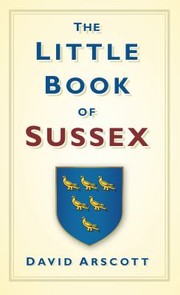
The folklore of Sussex
First published 1973. Subjects: Folklore, Social life and customs, Sussex, England, Folklore, great britain.
The lore of the land
First published 2005. Subjects: Tales, Legends, British Mythology, Legends, great britain.
eBay marketplace picks
Marketplace Samples
Live-tested eBay searches with available results related to this page.

Endnotes
1.
Source: commons.wikimedia.org
Title: File:England Historic Counties Sussex map.svg
Link:https://commons.wikimedia.org/wiki/File%3AEngland_Historic_Counties_Sussex_map.svg
2.
Source: visit1066country.com
Title: ghost tours at battle abbey 16 p1843401
Link:https://www.visit1066country.com/whats-on/ghost-tours-at-battle-abbey-16-p1843401
3.
Source: visit1066country.com
Title: pevensey ghost walk p2535511
Link:https://www.visit1066country.com/whats-on/pevensey-ghost-walk-p2535511
4.
Source: ghostwalkbrighton.co.uk
Title: TH E GREY LADY
Link:https://ghostwalkbrighton.co.uk/the-grey-lady/
5.
Source: railwaysarchive.co.uk
Link:https://www.railwaysarchive.co.uk/eventsummary.php?eventID=24
6.
Source: Wikipedia
Title: Devil’s Humps, Stoughton
Link:https://en.wikipedia.org/wiki/Devil%27s_Humps%2C_Stoughton
7.
Source: Wikipedia
Title: Arundel Castle
Link:https://en.wikipedia.org/wiki/Arundel_Castle
8.
Source: Wikipedia
Link:https://en.wikipedia.org/wiki/Surrey
9.
Source: Wikipedia
Link:https://en.wikipedia.org/wiki/Essex
10.
Source: Wikipedia
Title: Historic counties of England
Link:https://en.wikipedia.org/wiki/Historic_counties_of_England
11.
Source: Wikipedia
Link:https://en.wikipedia.org/wiki/Sussex
12.
Source: Wikipedia
Title: East Sussex
Link:https://en.wikipedia.org/wiki/East_Sussex
13.
Source: Wikipedia
Title: Clayton Tunnel rail crash
Link:https://en.wikipedia.org/wiki/Clayton_Tunnel_rail_crash
14.
Source: Wikipedia
Title: Cowdray House
Link:https://en.wikipedia.org/wiki/Cowdray_House
15.
Source: Wikipedia
Title: Preston Manor, Brighton
Link:https://en.wikipedia.org/wiki/Preston_Manor%2C_Brighton
16.
Source: Wikipedia
Title: Devil’s Dyke, Sussex
Link:https://en.wikipedia.org/wiki/Devil%27s_Dyke%2C_Sussex
17.
Source: Wikipedia
Title: Pevensey Castle
Link:https://en.wikipedia.org/wiki/Pevensey_Castle
18.
Source: Wikipedia
Title: Battle of Hastings
Link:https://en.wikipedia.org/wiki/Battle_of_Hastings
19.
Source: visit1066country.com
Link:https://www.visit1066country.com/whats-on/pevensey-castle-the-norman-invasion-walk-and-talk-p2680741
20.
Source: wikishire.co.uk
Link:https://wikishire.co.uk/wiki/Sussex
Source snippet
Sussex19 Jan 2021 — The County of Sussex is a shire on the south coast of Great Britain, lapped by the English Channel. It is bo...
21.
Source: wikishire.co.uk
Title: Wikishire Great Britain and Ireland
Link:https://wikishire.co.uk/map/
22.
Source: thehistorypress.co.uk
Link:https://thehistorypress.co.uk/publication/folklore-of-sussex/
23.
Source: english-heritage.org.uk
Title: 1066 battle of hastings abbey and battlefield
Link:https://www.english-heritage.org.uk/visit/places/1066-battle-of-hastings-abbey-and-battlefield/
24.
Source: english-heritage.org.uk
Link:https://www.english-heritage.org.uk/visit/places/pevensey-castle/
25.
Source: brighton-hove.gov.uk
Link:https://www.brighton-hove.gov.uk/libraries-leisure-and-arts/museums-and-attractions/most-haunted-preston-manor-brighton
26.
Source: normandythenandnow.com
Title: Normandy Then and Now The ghosts of Normandy past, in Sussex England
Link:https://www.normandythenandnow.com/the-ghosts-of-normandy-past-in-sussex-england/
27.
Source: english-heritage.org.uk
Link:https://www.english-heritage.org.uk/visit/places/pevensey-castle/history/
28.
Source: spookyisles.com
Title: pevensey castle haunting
Link:https://www.spookyisles.com/pevensey-castle-haunting/
29.
Source: timetravel-britain.com
Link:https://www.timetravel-britain.com/articles/castles/pevensey2.shtml
30.
Source: historicengland.org.uk
Title: Historic England The Ruins of Cowdray House, Easebourne
Link:https://historicengland.org.uk/listing/the-list/list-entry/1277176
31.
Source: historicengland.org.uk
Title: Historic England Cowdray House, Easebourne
Link:https://historicengland.org.uk/listing/the-list/list-entry/1001210
32.
Source: sussexexclusive.com
Title: Sussex Exclusive The Curse of Cowdray Ruins, Midhurst, West Sussex
Link:https://sussexexclusive.com/cowdray-heritage-ruins/
33.
Source: brightonmuseums.org.uk
Link:https://brightonmuseums.org.uk/discovery/history-stories/lily-macdonald-a-ghost-seeing-enigma-at-preston-manor/
34.
Source: paranormaldatabase.com
Link:https://www.paranormaldatabase.com/reports/theatredata.php?pageNum_paradata=1
35.
Source: paranormaldatabase.com
Link:https://www.paranormaldatabase.com/sussex/suspages/sussdata.php
36.
Source: mybrightonandhove.org.uk
Title: clayton tunnel rail crash
Link:https://www.mybrightonandhove.org.uk/topic/clayton-tunnel-rail-crash
37.
Source: sussexexclusive.com
Title: Sussex Exclusive Sussex Ghosts
Link:https://sussexexclusive.com/sussex-ghosts/
38.
Source: nationaltrust.org.uk
Link:https://www.nationaltrust.org.uk/visit/sussex/devils-dyke/the-history-of-devils-dyke
39.
Source: nationaltrust.org.uk
Title: National Trust Devil’s Dyke histories and mysteries walk
Link:https://www.nationaltrust.org.uk/visit/sussex/devils-dyke/devils-dyke-histories-and-mysteries-walk
40.
Source: megalithix.wordpress.com
Link:https://megalithix.wordpress.com/2010/03/29/devils-dyke-poynings-sussex/
41.
Source: unknownkentandsussex.co.uk
Title: the many ghosts of arundel castle
Link:https://unknownkentandsussex.co.uk/the-many-ghosts-of-arundel-castle/
42.
Source: theguardian.com
Link:https://www.theguardian.com/uk-news/2025/jan/25/spooky-kettles-girl-in-white-adele-scary-house-haunting-sussex-village
43.
Source: spookysussex.com
Title: Spooky Isles Spooky Sussex | Ghost Stories, Haunted Places And Dark
Link:https://www.spookysussex.com/
44.
Source: paranormaldatabase.com
Link:https://paranormaldatabase.com/sussex/suspages/sussdata.php?pageNum_paradata=11
45.
Source: sussexflag.wordpress.com
Link:https://sussexflag.wordpress.com/aboutsussex/
46.
Source: jonathankent.wordpress.com
Title: the persistence of boundaries
Link:https://jonathankent.wordpress.com/2013/10/01/the-persistence-of-boundaries/
47.
Source: terrortorial.wordpress.com
Title: arundel ghost experience west sussex
Link:https://terrortorial.wordpress.com/2009/07/26/arundel-ghost-experience-west-sussex/
48.
Source: freakyfolktales.wordpress.com
Title: the yews of kingley vale
Link:https://freakyfolktales.wordpress.com/the-yews-of-kingley-vale/
49.
Source: wikishire.co.uk
Link:https://wikishire.co.uk/wiki/Somerset
50.
Source: wikishire.co.uk
Link:https://wikishire.co.uk/wiki/Kent
51.
Source: wikishire.co.uk
Link:https://wikishire.co.uk/wiki/Essex
52.
Source: english-heritage.org.uk
Title: prices and opening times
Link:https://www.english-heritage.org.uk/visit/places/1066-battle-of-hastings-abbey-and-battlefield/prices-and-opening-times/
53.
Source: english-heritage.org.uk
Link:https://www.english-heritage.org.uk/visit/places/1066-battle-of-hastings-abbey-and-battlefield/events/
54.
Source: english-heritage.org.uk
Link:https://www.english-heritage.org.uk/visit/places/1066-battle-of-hastings-abbey-and-battlefield/plan-your-visit/directions/
55.
Source: english-heritage.org.uk
Title: plan your visit
Link:https://www.english-heritage.org.uk/visit/places/1066-battle-of-hastings-abbey-and-battlefield/plan-your-visit/
56.
Source: english-heritage.org.uk
Title: history and stories
Link:https://www.english-heritage.org.uk/visit/places/1066-battle-of-hastings-abbey-and-battlefield/history-and-stories/
57.
Source: english-heritage.org.uk
Title: Pevensey Castle
Link:https://www.english-heritage.org.uk/siteassets/home/visit/places-to-visit/pevensey-castle/schools/pevensey-teachers-kit-2023.pdf
58.
Source: english-heritage.org.uk
Link:https://www.english-heritage.org.uk/visit/whats-on/battle-abbey-battle-of-hastings-10-to-11-oct-2026/
59.
Source: theretirees.co.uk
Title: Clayton Tunnel
Link:https://www.theretirees.co.uk/PDF/Clayton%20Tunnel.pdf
60.
Source: theguardian.com
Link:https://www.theguardian.com/g2/story/0%2C%2C1890718%2C00.html
61.
Source: spookysussex.com
Title: ghosts hauntings
Link:https://www.spookysussex.com/category/paranormal/ghosts-hauntings/
62.
Source: citydays.com
Title: Clayton Tunnel
Link:https://citydays.com/places/clayton-tunnel/
63.
Source: sussexexclusive.com
Link:https://sussexexclusive.com/the-devils-humps-the-devils-jumps/
64.
Source: sussexexclusive.com
Link:https://sussexexclusive.com/exploring-devils-dyke/
65.
Source: surreycc.gov.uk
Link:https://www.surreycc.gov.uk/culture-and-leisure/history-centre/researchers/guides/administrative-boundaries
66.
Source: paranormaldatabase.com
Link:https://paranormaldatabase.com/sussex/suspages/sussdata.php?pageNum_paradata=17
67.
Source: philippagregory.com
Title: cowdray house
Link:https://www.philippagregory.com/news/cowdray-house
68.
Source: therelaiscoodenbeach.com
Link:https://therelaiscoodenbeach.com/exploring-the-rich-history-of-pevensey-castle/
69.
Source: brighton-hove.gov.uk
Link:https://www.brighton-hove.gov.uk/libraries-leisure-and-arts/parks-and-green-spaces/devils-dyke
70.
Source: westsussex.gov.uk
Title: settle down with some spine tingling tales from west sussex
Link:https://www.westsussex.gov.uk/news/settle-down-with-some-spine-tingling-tales-from-west-sussex/
71.
Source: southdowns.gov.uk
Title: south downs folklore celebrating sussex day
Link:https://www.southdowns.gov.uk/south-downs-folklore-celebrating-sussex-day/
72.
Source: southdowns.gov.uk
Title: ten of the spookiest spots in the south downs this halloween
Link:https://www.southdowns.gov.uk/ten-of-the-spookiest-spots-in-the-south-downs-this-halloween/
73.
Source: trove.nla.gov.au
Link:https://trove.nla.gov.au/newspaper/article/13067572
74.
Source: thecountryseat.org.uk
Title: cowdray house
Link:https://thecountryseat.org.uk/tag/cowdray-house/
75.
Source: the-pigs.co.uk
Title: Preston Manor
Link:https://www.the-pigs.co.uk/project/preston-manor/
Additional References
76.
Source: youtube.com
Title: Top Ten Most Haunted Brighton Pubs | Fact Me Up S1 E6
Link:https://www.youtube.com/watch?v=AxkMOlWeLaA
Source snippet
The Church in the Field | St Mary's Upwaltham, Sussex | Ghosts, History & Wartime Heroes...
77.
Source: youtube.com
Title: The Dark History and Ghosts of Mermaid Inn, Rye – England’s Most Haunted Inn?
Link:https://www.youtube.com/watch?v=n4pNC3amavg
Source snippet
8 Extremely Haunted Places in East Sussex...
78.
Source: youtube.com
Title: CHILLING PARANORMAL ACTIVITY Almost Forced The Caretaker To Flee
Link:https://www.youtube.com/watch?v=R487flP_Kxk
Source snippet
Top Ten Most Haunted Brighton Pubs | Fact Me Up S1 E6...
79.
Source: youtube.com
Title: 8 Extremely Haunted Places in East Sussex
Link:https://www.youtube.com/watch?v=YjWaZIVMC54
Source snippet
CHILLING PARANORMAL ACTIVITY Almost Forced The Caretaker To Flee...
80.
Source: researchgate.net
Link:https://www.researchgate.net/publication/291261604_25_August_1861_The_Clayton_Tunnel_Rail_Crash_the_Medical_Profession_and_the_Sensation_Novel
Published: August 1861
81.
Source: amazon.nl
Link:https://www.amazon.nl/-/en/Lore-Land-Englands-Legends-Spring-heeled/dp/0141007117?tag=searcht-20
82.
Source: regencyfictionwriters.org
Link:https://regencyfictionwriters.org/a-regency-ghost-and-more-tales-of-haunted-theaters/
83.
Source: tripadvisor.co.uk
Link:https://www.tripadvisor.co.uk/Attraction_Review-g503755-d277471-Reviews-Battle_Abbey_and_Battlefield-Battle_East_Sussex_England.html
84.
Source: facebook.com
Link:https://www.facebook.com/groups/brightonnostalgia/posts/1560306588257430/
85.
Source: facebook.com
Link:https://www.facebook.com/Clintonlofthousehorrorphotography/posts/share-this-with-your-adventure-buddy-this-is-londons-most-famous-ghost-and-actor/1585894606433140/
Topic Tree
Follow this branch
Related pages 91
- Haunted Clackmannanshire
- Haunted Antrim
- Haunted Armagh
- Haunted Durham
- Haunted Londonderry
- +86 more in sidebar