Where Does Suffolk's Haunted Reputation Begin?
Suffolk’s haunted reputation is strongest where old roads, ruined religious houses, coastal loss and market-town memory overlap.

Page outline Jump by section
Introduction
For this project, Suffolk is treated as the historic county on the east coast of England, bounded by Norfolk to the north, Cambridgeshire to the west, Essex to the south and the North Sea to the east. That matters because Suffolk’s ghost map is older than modern council boundaries: stories follow medieval parishes, old coaching routes, abbey precincts, ports, estuaries and East Anglian folklore zones rather than neat present-day administration. Historic-county mapping projects distinguish these long-lived county identities from later local-government arrangements, while modern Suffolk itself was reorganised after earlier East and West Suffolk divisions were replaced in 1974.[county-borders.co.uk]county-borders.co.ukThe Historic County Borders Project: The Historic Counties TrustThe Historic County Borders Project has digitised the borders of the hist…
What are Suffolk’s most famous hauntings?
The most widely recognised Suffolk haunting is probably Black Shuck, the spectral black dog said to have entered St Mary’s Church, Bungay, during a violent storm on 4 August 1577 before being linked with Holy Trinity, Blythburgh, the same day. The story survives because it was printed very early, in Abraham Fleming’s 1577 pamphlet A Straunge and Terrible Wunder, and because the supposed “devil’s fingerprints” at Blythburgh remain a powerful piece of local visual folklore. Modern local accounts still connect the dog with Bungay’s civic identity, sporting nicknames, weather vane and town imagery.[bungay-suffolk.co.uk]bungay-suffolk.co.ukThe Black DogThe Black Dog
Bury St Edmunds supplies Suffolk’s densest town-centre ghost cluster. The reported Grey Lady appears in stories around the Great Churchyard, Abbey ruins, St Saviours Hospital site, Theatre Royal, Angel Hill and nearby cellars. Moyse’s Hall Museum, a 12th-century building that has served as workhouse, police station and gaol, is associated with an especially old story from 1328 in which a woman reportedly saw “a most horrible devil” in the cellar. Later folklore attaches the building to William Corder, executed in 1828 for the Red Barn murder, whose death mask and related crime-and-punishment material form part of the museum’s macabre public memory.[Bury St Edmunds & Beyond]visit-burystedmunds.co.ukOpen source on visit-burystedmunds.co.uk.
The coast gives Suffolk a different kind of haunting. Dunwich, now a small village, was once a major medieval port before storms and coastal erosion destroyed much of it. Modern visitor accounts and museum material preserve the legend of ghostly bells heard beneath the waves, while local tourism also tells of a heartbroken maiden haunting the beach area. These stories work because the historical loss is real: Dunwich’s vanished streets, churches and commercial importance make the idea of a “sunken town” unusually tangible.[visitsuffolk.com]visitsuffolk.comOpen source on visitsuffolk.com.
Why Black Shuck still dominates Suffolk folklore
Black Shuck is more than a ghost story about a frightening dog. It is one of East Anglia’s great examples of how weather, religion, death and local identity can fuse into one durable legend. In the Suffolk version, the creature is remembered as a huge black hound, often with fiery eyes, appearing during a thunderstorm and causing death or terror inside consecrated church space. That church setting matters: the tale turns a natural disaster into a moral and supernatural drama.
The Bungay account is especially important because it is tied to a precise date, 4 August 1577, and to a printed Elizabethan source. Local summaries of the story describe darkness, rain, hail, thunder and lightning, followed by the dog’s appearance in St Mary’s Church. The creature is said to have killed two parishioners and left another injured before travelling to Blythburgh, where further deaths and scorch marks became part of the legend.[bungay-suffolk.co.uk]bungay-suffolk.co.ukThe Black DogThe Black Dog
A careful reading should keep two ideas in view at once. First, the story is genuinely old by ghost-lore standards and is not merely a modern Halloween invention. Second, its details have plainly been shaped by religious language, oral retelling and local pride. Some modern accounts call the dog Black Shuck; Fleming’s early framing presents the apparition more directly as the Devil in animal form. Later folklore widened Shuck into a roaming East Anglian black dog, found across Suffolk, Norfolk and the wider region, sometimes deadly and sometimes oddly protective.[Wikipedia]WikipediaBlack ShuckBlack Shuck
For visitors, Bungay and Blythburgh are the key Suffolk anchors. Bungay preserves the Black Dog in town identity; Blythburgh preserves the church-door marks that many people still associate with the legend. Whether read as supernatural testimony, Reformation-era moral warning, storm folklore or a local memory of lightning damage, Black Shuck remains Suffolk’s most compact and memorable haunted narrative.
Bury St Edmunds: abbey ruins, gaols and the Grey Lady
Bury St Edmunds is Suffolk’s most useful place for readers who want several ghost traditions within walking distance. Its haunted reputation is built from layers: the medieval Abbey of St Edmund, old hospital sites, religious ruins, prison history, theatrical history, coaching inns and the modern ghost-tour economy. The town’s stories are atmospheric because they are attached to visible streets and buildings rather than anonymous “spooky” locations.
The Grey Lady is the town’s best-known apparition. Local visitor material says she is associated with the Great Churchyard and is said to appear annually on 24 February at 11pm; the same tradition links sightings to the Abbey ruins, St Saviours Hospital ruins, the Priory Hotel, Theatre Royal, shops on Abbeygate Street, Angel Hill buildings and old cellars. Such mobility is a useful clue: the Grey Lady is less a single fixed witness case than a town-wide figure who gathers Bury’s religious, romantic and ruinous associations into one recognisable character.[Bury St Edmunds & Beyond]visit-burystedmunds.co.ukOpen source on visit-burystedmunds.co.uk.
Moyse’s Hall gives the town a darker, more documentary-feeling focus. The building is generally presented as one of East Anglia’s oldest domestic buildings open to the public, with origins around the late 12th century and later uses as gaol, police station and workhouse. Its ghost tradition includes the 1328 “devil” sighting in the cellar and later reports connected to William Corder after his 1828 execution.[visit-burystedmunds.co.uk]visit-burystedmunds.co.uk5 reasons why bury st edmunds is a ghoulishly good spooky break5 reasons why bury st edmunds is a ghoulishly good spooky break
Theatre Royal adds another strand: not a medieval demon story, but a haunted performance space. The theatre opened in 1819, was designed by William Wilkins, and is celebrated as the country’s only surviving Regency theatre of its kind. Its own historical timeline notes that anniversary programming has included ghost tours, while wider Bury ghost material places it among the Grey Lady’s reported routes.[Theatre Royal]theatreroyal.orghistorical timeline theatre royal bury st edmundshistorical timeline theatre royal bury st edmunds
The likely reason Bury’s ghost stories remain so marketable is that they match the town’s real historical texture. A visitor can walk from cathedral precinct to ruined abbey, from old gaol museum to tiny pub and theatre, without needing to imagine a vanished landscape. The stories are not equally well evidenced, but they are strongly placed.
Dunwich: the haunted power of a drowned town
Dunwich is Suffolk’s great example of history doing most of the haunting before any apparition appears. The village’s supernatural reputation rests on a fact that feels almost folkloric in itself: much of the medieval town was lost to the sea. Visitor accounts describe Dunwich as once one of the country’s significant ports, sustained by fishing, trade and religious life, before storms and coastal erosion reduced it to the small settlement seen today.[Visit Suffolk]visitsuffolk.comOpen source on visitsuffolk.com.
The most evocative legend is that bells from Dunwich’s lost churches can still be heard beneath the waves. Dunwich Museum material calls the sound of ghostly bells under the sea “legendary” and links the motif to the town’s former churches. The Suffolk Coast’s visitor guide adds a more personal haunting: a broken-hearted maiden said to haunt the beach area searching for her lost love.[dunwichmuseum.org.uk]dunwichmuseum.org.ukOpen source on dunwichmuseum.org.uk.
These stories should not be treated as witness evidence in the same way as a dated apparition report. They are better understood as folklore created by coastal memory. The “bells beneath the sea” motif gives sound to historical loss: churches, streets and graves swallowed by storms become something a listener might almost hear on a rough night. That is why Dunwich belongs on Suffolk’s haunted map even when the evidence is openly legendary.
Dunwich also connects naturally to neighbouring Suffolk Coast traditions. Greyfriars ruins, coastal paths, heathland, old religious sites and sea erosion all help create the atmosphere that ghost stories need. In a county where many inland hauntings cluster around buildings, Dunwich is haunted by absence.
Castles, ruins and stranger borderlands
Suffolk’s castles are not as ghost-list famous as some in Northumberland, Kent or Wales, but they matter because they anchor the county’s supernatural imagination in medieval power. Framlingham Castle is the clearest example of history overshadowing ghost-lore. English Heritage presents it as a 12th-century stronghold of the Bigod family and later the stage for Mary Tudor’s claim in the 1553 succession crisis. The site’s drama is political rather than paranormal, yet its walls, mere and Tudor associations make it an obvious internal-link neighbour for Suffolk castle legends and haunted travel routes.[English Heritage]english-heritage.org.ukOpen source on english-heritage.org.uk.
Orford Castle offers something stranger. English Heritage describes the castle as a 12th-century keep built for Henry II to curb the power of East Anglian barons, with a distinctive polygonal design. Orford Museum preserves the associated legend of the Wild Man of Orford: according to the chronicler Ralph of Coggeshall, a naked, hairy man was caught in fishermen’s nets around 1167, brought to the castle, held for months, questioned or tortured, and eventually escaped.[English Heritage]english-heritage.org.ukOpen source on english-heritage.org.uk.
The Wild Man is not exactly a ghost. He belongs to the overlapping world of sea-monsters, merfolk, medieval marvels and local legend. Yet he is highly relevant to haunted Suffolk because the tale sits at the same boundary between place, fear and explanation. Medieval Orford was a coast-and-castle environment where strange things could be interpreted through religious, legal and monstrous categories. The legend also gives Suffolk an unusual alternative to the standard white lady or phantom monk.
Ruined religious sites complete this borderland. Dunwich Greyfriars, Bury Abbey and smaller churchyard traditions all show how Suffolk’s haunted stories gravitate towards places where religious authority has visibly decayed: abbeys dissolved, friaries ruined, churches damaged, hospitals vanished, and old precincts repurposed for modern tourism.

Inns, roads and everyday haunted Suffolk
Not all Suffolk hauntings need a castle or abbey. Some of the county’s most persistent tales cling to inns, coaching routes, cellars and public houses, which makes sense in a rural county shaped by market towns and travel. The old inn is a natural ghost setting: strangers pass through, deaths are remembered, rooms change function, and staff stories can accumulate over generations.
Bury St Edmunds’ Nutshell is a good example of how haunting, curiosity and tourism combine. Local visitor material describes it as holding the title of Britain’s smallest pub in the Guinness Book of Records while also promoting its ghost stories, mummified cat, links to witch-trial lore and other unusual objects. Whether or not any single tale is strong as evidence, the pub’s haunted appeal comes from concentrated oddness: a tiny public space crowded with relics, jokes, rumours and local memory.[Bury St Edmunds & Beyond]visit-burystedmunds.co.uk5 reasons why bury st edmunds is a ghoulishly good spooky break5 reasons why bury st edmunds is a ghoulishly good spooky break
The Suffolk Coast also promotes haunted hospitality and coastal legends as part of visitor itineraries, including stories around old inns, halls and ruins. Such sources are useful for mapping what is locally famous, but they should be read with care. Tourist pages tend to preserve the version of a legend that is easiest to visit, photograph or retell; they are less reliable for establishing when a story first appeared or whether a named witness ever existed.[The Suffolk Coast]thesuffolkcoast.co.ukOpen source on thesuffolkcoast.co.uk.
Roadside and black-dog traditions are a stronger folkloric category than many isolated inn ghosts. Black Shuck is repeatedly described as roaming lanes, footpaths, churchyards, coastline and countryside across Suffolk and East Anglia. That roaming quality makes the legend feel less like a single building haunting and more like a county-wide warning about lonely travel, bad weather and night journeys.[Bury St Edmunds & Beyond]visit-burystedmunds.co.ukthe black shuckthe black shuck
M. R. James and Suffolk’s literary afterlife
Suffolk is not only a county of reported ghosts; it is one of the landscapes behind the modern English ghost story. M. R. James, the antiquary and writer whose stories shaped the “scholarly man uncovers something dreadful” tradition, had deep Suffolk connections. Churches Conservation Trust material notes that East Anglian churches were central to his life and that he spent his childhood in the rectory at Great Livermere.[Churches Conservation Trust]visitchurches.org.ukOpen source on visitchurches.org.uk.
James’s story “The Ash-tree”, first published in Ghost Stories of an Antiquary in 1904, openly places its fictional Castringham Hall in Suffolk. The text itself begins its main account by naming “Castringham Hall in Suffolk”, while modern James scholarship and literary discussion often connect the setting with the Great and Little Livermere landscape.[Wikisource]en.wikisource.orgThe Ash treeThe Ash tree
This matters for a haunted Suffolk page because James transformed the county’s quiet features into enduring supernatural machinery: parish churches, old houses, family papers, suspicious trees, antiquarian curiosity and the sense that something buried in local history can return. His Suffolk is not sensational; it is restrained, dry, clerical and then suddenly horrible. That tone still shapes how many readers imagine East Anglian hauntings.
James should not be confused with local witness testimony. His stories are fiction. But fiction can preserve and intensify the atmosphere of a place, and in Suffolk’s case the Jamesian landscape sits naturally beside older folklore: churchyards, country houses, coastal warnings and half-understood survivals from the past.
How credible are Suffolk’s ghost stories?
Suffolk’s hauntings range from historically anchored folklore to modern visitor storytelling. The strongest traditions are not necessarily the most “provable”; they are the ones with clear place attachment, early recording, repeated local use and a visible historical reason for survival.
Black Shuck has a strong claim as folklore because it has a precise 1577 setting, an early printed source, named churches and continuing local symbolism. That does not prove a supernatural hound entered the churches. It does show that a frightening event, probably involving a violent storm and religious interpretation, became one of East Anglia’s most durable legends.[bungay-suffolk.co.uk]bungay-suffolk.co.ukThe Black DogThe Black Dog
Moyse’s Hall and Bury St Edmunds’ Grey Lady are different. Moyse’s Hall has a real medieval building, a real later gaol history and a repeated early “devil in the cellar” reference, but many later haunting details are shaped by crime tourism and retelling around William Corder. The Grey Lady is highly famous locally, yet her story appears to behave like a flexible town ghost, moving between sites and absorbing different associations.[Bury St Edmunds & Beyond]visit-burystedmunds.co.ukOpen source on visit-burystedmunds.co.uk.
Dunwich is credible as historical loss and powerful as legend. Its drowned-bell stories are best read as folklore responding to documented coastal destruction. Orford’s Wild Man is a medieval marvel preserved through chronicle tradition and museum interpretation, not a modern paranormal case. M. R. James’s Suffolk is literary, but it has become part of how the county’s haunted atmosphere is understood.[visitsuffolk.com]visitsuffolk.comOpen source on visitsuffolk.com.
The most sensible approach is to ask what each story is doing. Some hauntings preserve fear of storms. Some keep memory attached to ruined religious places. Some turn crime, punishment or poverty into ghostly drama. Some help towns invite visitors into their darker history. Suffolk’s haunted map is most rewarding when read as folklore with historical roots, not as a list of claims demanding belief.
Visiting haunted Suffolk without losing the history
A good haunted Suffolk route begins with the places where story and setting are both strong. Bungay and Blythburgh work well together for Black Shuck: one gives the town identity and the 1577 church story, the other gives the famous door marks and the dramatic church interior. Bury St Edmunds is best treated as a walking town, with Moyse’s Hall, the Great Churchyard, Abbey ruins, Theatre Royal and old lanes understood as a connected haunted district rather than isolated stops.[thesuffolkcoast.co.uk]thesuffolkcoast.co.ukOpen source on thesuffolkcoast.co.uk.
The coast deserves a slower, more reflective visit. Dunwich is not about jump-scares; it is about absence, erosion and the idea of a town still present under the water. Orford Castle adds the stranger medieval-marvel tradition of the Wild Man, while Framlingham supplies the grand castle setting and Tudor political drama that make Suffolk’s medieval landscape feel larger than its quieter ghost lists suggest.[visitsuffolk.com]visitsuffolk.comOpen source on visitsuffolk.com.
For readers planning internal journeys through a wider UK haunted-counties project, Suffolk links naturally to several neighbouring branches: Norfolk through Black Shuck and East Anglian black-dog folklore; Essex through borderland haunted-house traditions and old roads; Cambridgeshire through fen-edge folklore; and the national castle-and-abbey tradition through Framlingham, Orford, Bury Abbey and Dunwich Greyfriars.
Suffolk’s ghosts are rarely at their best when stripped from place. They need church doors, sea fog, abbey rubble, museum cellars, market squares and old roads. The county’s haunted history is therefore less a catalogue of apparitions than a way of reading Suffolk itself: a landscape where storms, lost towns, religious ruins, crime, literature and local pride still leave shapes in the dark.
Amazon book picks
Further Reading
Books and field guides related to Where Does Suffolk's Haunted Reputation Begin?. Use these as the next step if you want deeper reading beyond the article.
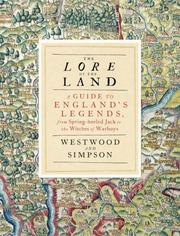
The lore of the land
Explores legends attached to British places including coastal and religious sites.
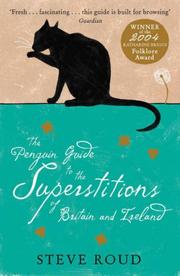
The Penguin Guide to the Superstitions of Britain and Ireland
Covers East Anglian folklore and supernatural traditions.

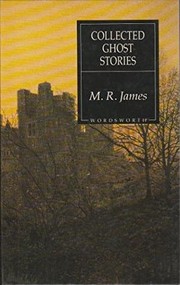
The collected ghost stories of M. R. James
First published 1931. Subjects: Fiction, ghost, Fiction, short stories (single author), English Ghost stories.
eBay marketplace picks
Marketplace Samples
Live-tested eBay searches with available results related to this page.


Endnotes
1.
Source: county-borders.co.uk
Link:https://www.county-borders.co.uk/
Source snippet
The Historic County Borders Project: The Historic Counties TrustThe Historic County Borders Project has digitised the borders of the hist...
2.
Source: Wikipedia
Title: Suffolk County Council
Link:https://en.wikipedia.org/wiki/Suffolk_County_Council
3.
Source: bungay-suffolk.co.uk
Title: The Black Dog
Link:https://bungay-suffolk.co.uk/about/history/bungay-history-the-black-dog/
4.
Source: dunwichmuseum.org.uk
Link:https://www.dunwichmuseum.org.uk/news/dunwich-artefacts-a-series-of-little-stories/
5.
Source: Wikipedia
Title: Black Shuck
Link:https://en.wikipedia.org/wiki/Black_Shuck
6.
Source: stedmundsburychronicle.co.uk
Link:https://www.stedmundsburychronicle.co.uk/msebuild.htm
7.
Source: en.wikisource.org
Title: The Ash tree
Link:https://en.wikisource.org/wiki/Ghost_Stories_of_an_Antiquary/The_Ash-tree
8.
Source: Wikipedia
Title: Borley Rectory
Link:https://en.wikipedia.org/wiki/Borley_Rectory
9.
Source: Wikipedia
Title: Moyse’s Hall
Link:https://en.wikipedia.org/wiki/Moyse%27s_Hall
10.
Source: Wikipedia
Title: Orford Castle
Link:https://en.wikipedia.org/wiki/Orford_Castle
11.
Source: Wikipedia
Title: Little Livermere
Link:https://en.wikipedia.org/wiki/Little_Livermere
12.
Source: Wikipedia
Title: The Ash tree
Link:https://en.wikipedia.org/wiki/The_Ash-tree
13.
Source: Wikipedia
Title: Historic counties of England
Link:https://en.wikipedia.org/wiki/Historic_counties_of_England
14.
Source: Wikipedia
Title: East Suffolk (county)
Link:https://en.wikipedia.org/wiki/East_Suffolk_%28county%29
15.
Source: thesuffolkcoast.co.uk
Link:https://www.thesuffolkcoast.co.uk/articles/the-legend-of-the-bungay-black-dog
16.
Source: visit-burystedmunds.co.uk
Link:https://visit-burystedmunds.co.uk/blog/ghostly-bury-st-edmunds
17.
Source: visit-burystedmunds.co.uk
Title: 5 reasons why bury st edmunds is a ghoulishly good spooky break
Link:https://visit-burystedmunds.co.uk/blog/5-reasons-why-bury-st-edmunds-is-a-ghoulishly-good-spooky-break
18.
Source: visitsuffolk.com
Link:https://visitsuffolk.com/articles/where-is-suffolks-lost-city
19.
Source: thesuffolkcoast.co.uk
Link:https://www.thesuffolkcoast.co.uk/suffolk-coast-towns-and-villages/dunwich
20.
Source: visit-burystedmunds.co.uk
Link:https://visit-burystedmunds.co.uk/blog/explore-the-spookiest-places-in-bury-st-edmunds
21.
Source: theatreroyal.org
Title: historical timeline theatre royal bury st edmunds
Link:https://theatreroyal.org/about-us/historical-timeline-theatre-royal-bury-st-edmunds/
22.
Source: english-heritage.org.uk
Link:https://www.english-heritage.org.uk/visit/places/framlingham-castle/history/
23.
Source: english-heritage.org.uk
Link:https://www.english-heritage.org.uk/visit/places/framlingham-castle/history/history/
24.
Source: english-heritage.org.uk
Link:https://www.english-heritage.org.uk/visit/places/orford-castle/history/
25.
Source: thesuffolkcoast.co.uk
Link:https://www.thesuffolkcoast.co.uk/articles/the-suffolk-coasts-most-haunted
26.
Source: visit-burystedmunds.co.uk
Title: the black shuck
Link:https://visit-burystedmunds.co.uk/blog/the-black-shuck
27.
Source: visitchurches.org.uk
Link:https://www.visitchurches.org.uk/what-we-do/blog/pleasing-terror-m-r-james-and-the-comforting-gothic
28.
Source: visit-burystedmunds.co.uk
Link:https://visit-burystedmunds.co.uk/blog/ghost-tour-bury-st-edmunds
29.
Source: english-heritage.org.uk
Title: englands first official queen mary tudor
Link:https://www.english-heritage.org.uk/visit/inspire-me/blog/blog-posts/englands-first-official-queen-mary-tudor/
30.
Source: english-heritage.org.uk
Link:https://www.english-heritage.org.uk/visit/places/framlingham-castle/
31.
Source: commons.wikimedia.org
Link:https://commons.wikimedia.org/wiki/Suffolk
32.
Source: mythus.fandom.com
Title: Black Shuck
Link:https://mythus.fandom.com/wiki/Black_Shuck
33.
Source: stedmunds.co.uk
Title: Moyses Hall Museum
Link:https://www.stedmunds.co.uk/lifestyle/moyses/history2.html
34.
Source: visitsuffolk.com
Title: Orford Castle
Link:https://visitsuffolk.com/businesses/orford-castle-english-heritage
35.
Source: hauntedgeneration.co.uk
Link:https://hauntedgeneration.co.uk/tag/dunwich/
Additional References
36.
Source: youtube.com
Title: Black Shuck: The Chilling History Of The Demon Hound Of East Anglia
Link:https://www.youtube.com/watch?v=y7HDJRWx6To
Source snippet
MR James - A Warning to the Curious. ON LOCATION in Aldeburgh, Suffolk, England...
37.
Source: youtube.com
Title: Ep35. UK Hike The Legend Of Black Shuck Bungay Suffolk
Link:https://www.youtube.com/watch?v=j8jOLaZGnKM
Source snippet
Black Shuck: The Chilling History Of The Demon Hound Of East Anglia...
38.
Source: lqresorts.co.uk
Link:https://lqresorts.co.uk/framlingham-castle-short-drive-to-history/
39.
Source: reddit.com
Link:https://www.reddit.com/r/MRJames/comments/1nxrtpr/a_visit_to_great_livermere/
40.
Source: facebook.com
Link:https://www.facebook.com/GULLYGARMS/posts/are-they-haunted-apparently-there-is-a-lot-of-spooky-history-in-bury-st-edmunds-/1275391587942826/
41.
Source: instagram.com
Link:https://www.instagram.com/reel/DVRXSrmjWDK/
42.
Source: facebook.com
Link:https://www.facebook.com/groups/1711082002523894/posts/3673900802908661/
43.
Source: facebook.com
Link:https://www.facebook.com/ttwemagazine/posts/dunwichs-forgotten-past-discover-the-lost-city-with-beautiful-beaches-and-a-rich/1243671291115493/
44.
Source: facebook.com
Link:https://www.facebook.com/groups/177620292284538/posts/24945848048368419/
45.
Source: nts.org.uk
Link:https://www.nts.org.uk/stories/ghosts-of-the-trust
Topic Tree
Follow this branch
Related pages 91
- Haunted Clackmannanshire
- Haunted Antrim
- Haunted Armagh
- Haunted Durham
- Haunted Londonderry
- +86 more in sidebar