Why Does Northumberland Feel So Haunted?
Northumberland’s haunted reputation grows naturally out of its landscape: border castles, lonely moorland, tidal islands, ruined abbeys, old roads and villages where history has often been remembered as story.
Page outline Jump by section
Introduction
For this page, Northumberland is treated as the historic county: from the Tyne northwards to Berwick-upon-Tweed and the Tweed, with the North Sea to the east and the Cheviots and border country to the west. That matters because Northumberland’s ghost stories are not just “spooky places” on a map. They belong to a frontier county shaped by war, reiving, religious memory, aristocratic power and exposed terrain. Wikishire describes the county as stretching from the mouth of the Tweed to the Tyne, with Berwick and its lands north of the Tweed forming part of the historic county frame, while also noting old debates around Berwick’s status.[Wikishire]wikishire.co.ukWikishire NorthumberlandWikishire Northumberland
Why Northumberland feels so haunted
Northumberland has more than enough real history to make ghost stories feel plausible even before the supernatural enters the picture. Visit Northumberland presents the county as a place with over 2,000 years of history, the longest stretch of Hadrian’s Wall, and more than 70 castle sites spread across coast, islands, market towns and villages.[Visit Northumberland]visitnorthumberland.comOpen source on visitnorthumberland.com. The Association of British Counties links this fortified landscape to Northumberland’s role as one of the “Middle Shires”, a once-lawless borderland facing Scotland, full of castles, fortified houses and towers.[Association of British Counties]abcounties.comAssociation of British Counties Northumberland | Association of British CountiesAssociation of British Counties Northumberland | Association of British Counties
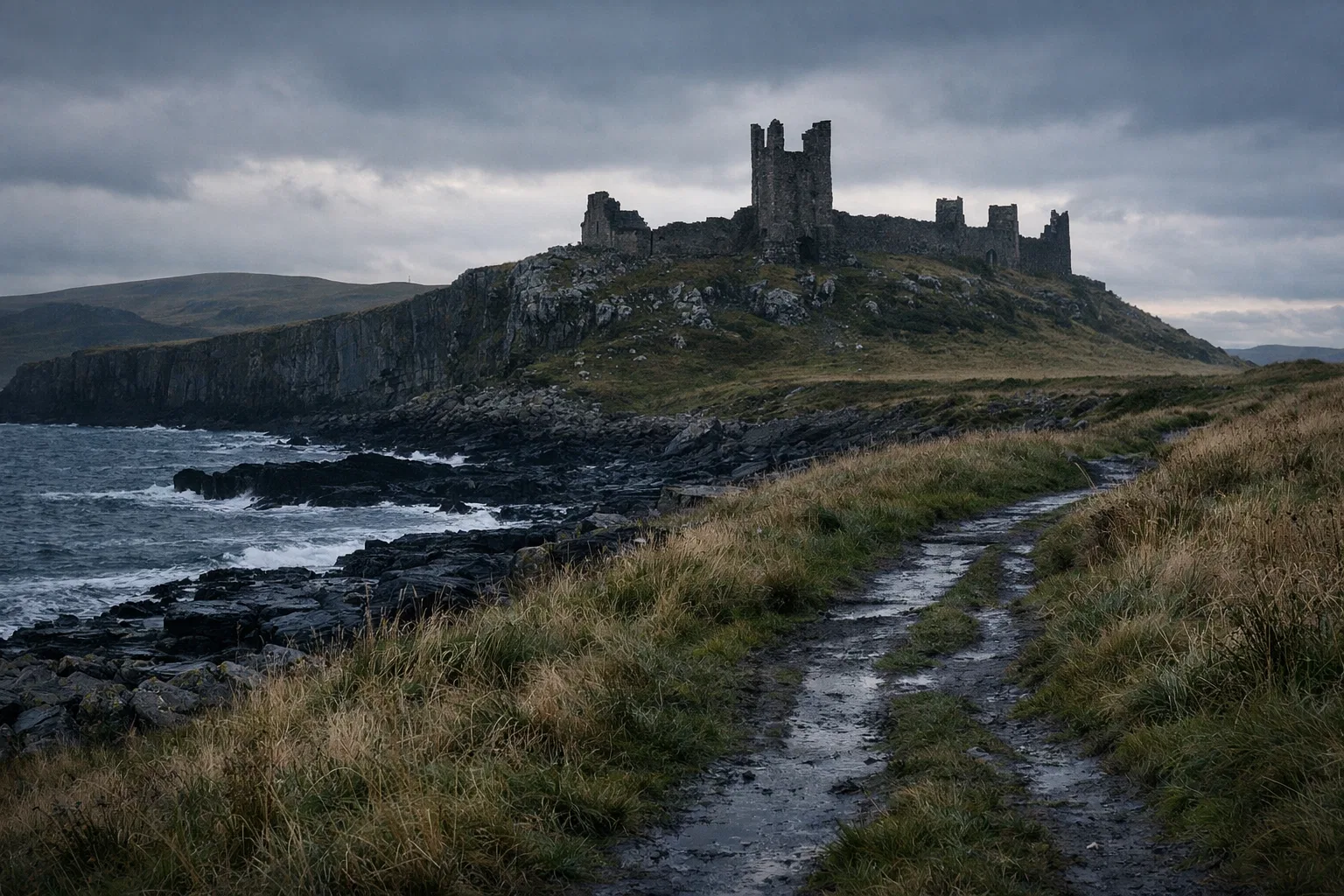
That geography gives Northumberland’s haunted folklore a distinctive flavour. In many counties, the classic haunted setting is the manor house, churchyard or coaching inn. Northumberland has those too, but its strongest stories often feel more exposed: a ruined coastal fortress in bad weather, a castle on a rock above the sea, a causeway cut off by the tide, a night road through moorland, or a hill where a misleading light might draw a traveller into danger.
The county’s stories also sit between several traditions. There are aristocratic castle ghosts, medieval revenants, monastic apparitions, fairy-like hill beings, haunted objects and roadside phantoms. Some tales are attached to named historical people. Others are placeless or fluid, moving between versions as folklore does. A careful reader should therefore ask not only “what haunts this place?”, but “what kind of story is this?” Is it a medieval moral tale, a printed Romantic legend, a tourism-era haunting, a memory of border violence, or a modern mystery retold through newspapers and paranormal culture?
Chillingham Castle: the county’s most famous haunted house
Chillingham Castle is the headline haunting in Northumberland. The castle itself promotes the title “Britain’s Most Haunted” and describes Chillingham as a 13th-century Grade I listed fortress in Northumberland, rich in history and battles, with ghost tours and ghost hunts forming part of its public offer.[Chillingham Castle]chillingham-castle.comChillingham Castle Visit Britain’s Most Haunted historic castleChillingham Castle Visit Britain’s Most Haunted historic castle Its own ghost page says that apparitions have been reported by visitors over the years and that guided night tours explore the castle and grounds.[Chillingham Castle]chillingham-castle.comChillingham Castle GhostsChillingham Castle Ghosts
The most repeated Chillingham figures include the “Blue Boy” or “Radiant Boy”, Lady Mary Berkeley, and other spectral presences connected with particular rooms and corridors. A Chillingham ghost booklet hosted through Visit Northumberland recounts the story of bones found in a wall and says that after remains associated with the Blue Boy story were removed and reburied, the figure was no longer seen. The same booklet names Lady Mary Berkeley, wife of Ford Grey of Wark and Chillingham, as one of the castle’s best-known ghosts and links her haunting to the scandal of her husband running away with her sister.[images.visitnorthumberland.com]images.visitnorthumberland.comchillingham ghost bookletchillingham ghost booklet
Chillingham’s appeal is easy to understand. It has the right architecture, a long noble ownership story, a borderland setting and a tourism culture that openly invites visitors to look for ghosts. The difficulty is separating old tradition from modern performance. The castle’s haunted identity is now part of its visitor economy, which does not make the stories false, but does mean they are being actively curated. The most trustworthy way to read Chillingham is as a layered haunted site: a real medieval and early modern fortress, a family seat with scandals and deaths, a place where local and visitor stories have accumulated, and a modern attraction that has turned those stories into an organised experience.
Alnwick Castle and the vampire before Dracula
Alnwick’s strangest supernatural claim is not a floating lady or a clanking knight, but a medieval revenant often described today as the Alnwick Vampire. Alnwick Castle’s own account traces the legend to the 12th-century chronicler William de Newburgh and his Historia rerum Anglicarum. In the story, a man connected with the lord of Alnwick suspects his wife of adultery, falls from a roof while trying to catch her, dies, is buried, and then appears to return from the grave as illness and livestock deaths trouble the town.[Alnwick Castle]alnwickcastle.comOpen source on alnwickcastle.com.
This is one of Northumberland’s most valuable haunted traditions because it is not simply a late tourist tale. It belongs to a medieval world of revenants: corpses believed to rise, spread fear or disease, and require drastic treatment. The modern word “vampire” can mislead slightly, because readers may imagine fangs, capes and Gothic romance. The older idea is cruder and more frightening: the restless dead as a source of pollution, plague and social dread.
Alnwick Castle’s modern public identity is often dominated by its ducal grandeur and film associations, but the revenant story shows a darker layer. It also gives Northumberland a direct link to wider British and European traditions of the walking dead before the literary vampire became famous. The likely historical significance is not that a vampire was believed in exactly as modern horror imagines one, but that medieval communities used stories of the restless dead to explain disease, misfortune and moral disorder when ordinary causes were unclear.
Bamburgh Castle: pink ladies, royal rock and sea-facing grief
Bamburgh Castle’s ghost stories are shaped by its dramatic setting. The castle stands on a great rock above the Northumberland coast, opposite the Farne Islands. Wikishire identifies Bamburgh as the first seat of the Bernician kings, while Visit Northumberland places it among the county’s major historical sites.[Wikishire]wikishire.co.ukWikishire NorthumberlandWikishire Northumberland That royal and coastal setting gives Bamburgh’s folklore a grander, more romantic tone than the horror of Alnwick’s revenant or the dungeon atmosphere of Chillingham.
The best-known apparition is usually called the Pink Lady. The common version tells of a young woman separated from her lover by a disapproving father; after her lover is sent away, she dies of grief or despair, and her ghost is said to appear in pink, sometimes looking out towards the sea. The story is widely repeated in castle-haunting literature, including popular ghost guides to Bamburgh.[Great Castles]great-castles.comOpen source on great-castles.com.
There are also traditions of other figures, including “Green Jane” in some modern retellings, but Bamburgh is a good example of why haunted history needs caution. Its ghost stories are famous, atmospheric and locally useful, yet they are harder to anchor to early documentary evidence than Alnwick’s revenant or Dunstanburgh’s printed Sir Guy tradition. The Pink Lady reads like a classic aristocratic romance ghost: love blocked by family authority, a woman waiting eternally, the sea as both barrier and stage. That makes it memorable, but also places it firmly in the realm of legend rather than verifiable history.
Dunstanburgh Castle and Sir Guy the Seeker
Dunstanburgh Castle is one of Northumberland’s most atmospheric haunted landscapes because the ruin already feels like a story. English Heritage describes the castle as defending a headland on the rugged Northumberland coast, begun in 1313 by Thomas, Earl of Lancaster, who built on a massive scale in rivalry with Edward II. The site is reached on foot from Craster along the coast, with sheer drops and a towered headland adding to the sense of isolation.[English Heritage]english-heritage.org.ukEnglish Heritage Dunstanburgh Castle | English HeritageEnglish Heritage Dunstanburgh Castle | English Heritage
Its great ghost legend is Sir Guy the Seeker. Northumberland Archives explains that the story was first published in verse in Matthew Lewis’s Romantic Tales in 1808, and that it belongs to a wider family of tales about lost chambers, magical guardians, treasure, moral testing and enchanted sleepers.[Northumberland Archives]northumberlandarchives.comNorthumberland Archives Sir Guy the SeekerNorthumberland Archives Sir Guy the Seeker In the Dunstanburgh version, Sir Guy shelters at the ruined castle during a storm, is led into a hidden vault by a mysterious figure, finds a sleeping lady in a crystal tomb surrounded by warriors, and fails the test that would have released her.
The power of this story lies in its fit with the place. Dunstanburgh’s ruins, exposed path and sea-cliff setting make the hidden-vault legend feel almost physically possible. Yet the archive evidence also shows that this is not a simple “witness saw a ghost” case. It is a literary and folkloric haunting, popularised in print and shaped by Gothic Romantic taste. Sir Guy matters because he shows how Northumberland’s ruins became imaginative landscapes: places where history, moral allegory and weather could combine into legend.
Lindisfarne: monks, saints and the haunted causeway
Lindisfarne, or Holy Island, gives Northumberland a different kind of haunting. The island is tidal, religiously charged and historically central to early Christianity in Northumbria. Icy Sedgwick’s folklore survey notes that Aidan arrived from Iona in 635 CE to found the monastery, and that Cuthbert later became prior before living as a hermit on nearby islands.[Icy Sedgwick]icysedgwick.comOpen source on icysedgwick.com. Wikishire similarly describes Lindisfarne as an early Christian missionary centre and the home of the Lindisfarne Gospels and St Cuthbert.[Wikishire]wikishire.co.ukWikishire NorthumberlandWikishire Northumberland
The ghostly traditions here often involve monks near the causeway, St Cuthbert, or religious presences linked to the priory and shore. Sedgwick records later reports of ghostly monks near the causeway, including an account of two holidaymakers seeing a monk there in 1962, while also placing these claims within a wider fabric of island legends rather than treating them as confirmed events.[Icy Sedgwick]icysedgwick.comOpen source on icysedgwick.com.
Lindisfarne’s hauntings are less about aristocratic tragedy and more about sacred memory. The island’s tidal access already creates a threshold feeling: a place that can be reached, then cut off. Add Viking raids, monastic ruins, pilgrimage, fossils nicknamed “Cuddy’s Beads”, and the cult of St Cuthbert, and it is easy to see why the island attracts stories of watchful monks and holy presences. The most credible interpretation is folkloric rather than evidential: Lindisfarne’s ghosts express the island’s long religious identity and the sense that the past remains unusually near there.

Kielder, Simonside and the haunted wild
Not all Northumberland hauntings belong to castles on tourist routes. Some of the most locally distinctive stories come from wilder ground. Kielder Castle, built as a hunting lodge in 1775 for the Duke of Northumberland, is included by Visit Northumberland in its haunted history material. The same source says the site is associated with reported sightings including a man on a horse, a Victorian lady, a young hunting accident victim and a servant girl who died of a broken heart.[Visit Northumberland]visitnorthumberland.comVisit Northumberland Most Haunted in Northumberland | Visit NorthumberlandVisit Northumberland Most Haunted in Northumberland | Visit Northumberland
Kielder’s stories draw their effect from remoteness and darkness. The forest, reservoir and dark skies create a different mood from the coastal castles: less medieval pageant, more isolation. As with Chillingham, the evidence is largely in the form of reported sightings and visitor folklore, but the setting explains the appeal. In a sparsely populated landscape, sounds, weather, distance and darkness can do much of the imaginative work.
The Simonside Hills offer an older and more folkloric fear. Northumberland National Park’s account describes the Simonside Duergars as dangerous dwarf-like beings said to prey on lost travellers at night, luring them with lights towards bogs or precipices.[Northumberland National Park]northumberlandnationalpark.org.ukOpen source on northumberlandnationalpark.org.uk. This is not a conventional ghost story, but it belongs in Northumberland’s haunted map because it explains the landscape through supernatural danger. The Duergars are close to will-o’-the-wisp traditions: a warning about night travel, bad ground and deceptive lights. In practical terms, such stories may encode real hazards. In folkloric terms, they make the hills feel inhabited by something watchful and hostile.
Hexham Heads and modern Northumberland strangeness
The Hexham Heads are one of Northumberland’s best-known modern mysteries. In 1971, two boys digging in the garden of their family home in Hexham reportedly found two small carved stone heads. Burials & Beyond summarises the discovery at 3 Rede Avenue and notes that the objects were palm-sized, roughly humanoid and difficult to date, with specialists disagreeing over their significance.[Burials & Beyond]burialsandbeyond.comBurials & Beyond The Hexham Heads – Burials & BeyondBurials & Beyond The Hexham Heads – Burials & Beyond
The story became more than an archaeological curiosity because later retellings linked the heads to poltergeist-like disturbances and strange creature sightings. A 2024 Haunted Generation piece in Fortean Times context describes the Hexham Heads as a touchstone of 1970s “high strangeness”, involving garden finds, poltergeist activity and reports of bizarre apparitions, while also quoting a creator who now approaches the story sceptically but imaginatively.[The Haunted Generation]hauntedgeneration.co.ukOpen source on hauntedgeneration.co.uk.
The Hexham Heads show how Northumberland folklore continued to evolve in the age of television, newspapers and paranormal publishing. Unlike Sir Guy, this is not a medieval or Romantic tale. It is a 20th-century mystery with shifting testimony, missing or disputed objects, expert disagreement and a strong afterlife in popular culture. Its haunted value is not that it can be neatly solved, but that it demonstrates how quickly an ambiguous find can become a modern legend when domestic space, children, media attention and unexplained happenings combine.
How credible are Northumberland’s ghost stories?
Northumberland’s haunted traditions vary widely in source quality. Some are attached to identifiable texts or institutions; others are repeated in tourism copy, local memory or paranormal databases. A useful way to read them is by type rather than by asking whether they are simply “true” or “false”.
Stronger as historical folklore: Alnwick’s revenant and Dunstanburgh’s Sir Guy have clear textual anchors. Alnwick’s story is linked to William de Newburgh’s medieval chronicle, while Sir Guy’s Dunstanburgh association is traceable through Matthew Lewis’s Romantic-era publication and later folklore.[Alnwick Castle]alnwickcastle.comOpen source on alnwickcastle.com. These sources do not prove supernatural events, but they do prove that the stories have a documented life.
Stronger as place-based tradition: Chillingham, Bamburgh, Lindisfarne, Kielder and Simonside are powerful because stories cling tightly to setting. Chillingham’s ghost tours, Bamburgh’s sea-facing romance, Lindisfarne’s monks, Kielder’s forest darkness and Simonside’s misleading lights all make sense in their landscapes. The weakness is that many details are late, repeated, embellished or tourism-shaped.
Stronger as modern paranormal culture: The Hexham Heads belong to a more recent world of newspaper reports, experts, television, Fortean writing and sceptical re-examination. The case is fascinating precisely because it is messy. It sits between archaeology, haunting, cryptid lore and media myth-making, and its uncertain evidence should be treated as part of the story rather than smoothed away.[Burials & Beyond]burialsandbeyond.comBurials & Beyond The Hexham Heads – Burials & BeyondBurials & Beyond The Hexham Heads – Burials & Beyond
Sceptical explanations do not drain these stories of interest. Weather, acoustics, darkness, ruins, suggestion, grief, local pride, tourism and repeated storytelling can all help create hauntings. Northumberland’s ghosts survive because they offer memorable forms for real human concerns: lost children, faithless husbands, plague, border violence, dangerous travel, monastic loss, aristocratic decline and the fear of what lies buried.
A reader’s haunted map of Northumberland
For visitors or readers trying to understand haunted Northumberland without getting lost in long lists, the county can be grouped into a few natural routes.
The castle route runs through Chillingham, Alnwick, Bamburgh and Dunstanburgh. This is the classic Northumberland haunting pattern: strongholds, noble families, siege memories, ruined towers and ghosts shaped by love, violence or moral failure. Chillingham is the most heavily marketed haunted attraction; Alnwick has the deepest medieval revenant claim; Bamburgh supplies romantic coastal apparition; Dunstanburgh gives the best literary ruin legend.
The holy coast route centres on Lindisfarne and the Farne-facing landscape around Bamburgh. Here the supernatural mood is quieter and more religious: monks, saints, relic-like fossils, tidal thresholds and the memory of early Christianity and Viking violence. These are not “jump scare” stories; they are stories of watchfulness and sacred time.
The moor and forest route leads inland to Kielder and Simonside. These stories make more sense after dark, at a distance from towns. They are about losing the path, hearing things in empty places, seeing lights that should not be followed, or sensing that old hunting lodges and hill tracks are not entirely empty.
The modern mystery route belongs to Hexham and the Hexham Heads. This is Northumberland’s contribution to 20th-century British weirdness: not a castle ghost, but a suburban haunting-object story with archaeological uncertainty and media afterlife.
Taken together, these routes show why Northumberland is one of Britain’s richest counties for haunted history. Its stories are not all of one kind, and they are not equally well evidenced. But they are unusually well matched to place. In Northumberland, the ghost is often less a single apparition than a way of reading the county itself: a borderland of ruined stone, rough weather, old roads, sacred islands and hills where a light in the dark may not be friendly.
Amazon book picks
Further Reading
Books and field guides related to Why Does Northumberland Feel So Haunted?. Use these as the next step if you want deeper reading beyond the article.
The lore of the land
Explains the folklore traditions behind haunted places across Britain, including northern landscapes.
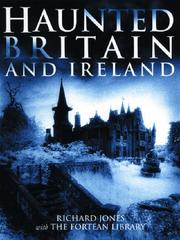
Haunted Britain and Ireland
Covers famous haunted locations and their traditions across Britain.

Ghostland: In Search of a Haunted Country
Explores why haunted landscapes endure in British culture.
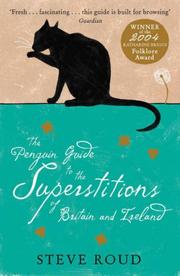
The Penguin Guide to the Superstitions of Britain and Ireland
Provides cultural context for supernatural beliefs and traditions.
eBay marketplace picks
Marketplace Samples
Live-tested eBay searches with available results related to this page.
Endnotes
1.
Source: visitnorthumberland.com
Link:https://www.visitnorthumberland.com/explore/destinations/historical-sites
2.
Source: chillingham-castle.com
Title: Chillingham Castle Visit Britain’s Most Haunted historic castle
Link:https://chillingham-castle.com/
3.
Source: chillingham-castle.com
Title: Chillingham Castle Ghosts
Link:https://chillingham-castle.com/ghosts/
4.
Source: images.visitnorthumberland.com
Title: chillingham ghost booklet
Link:https://images.visitnorthumberland.com/Chillingham-Castle-Chillingham/chillingham-ghost-booklet.pdf
5.
Source: great-castles.com
Link:https://great-castles.com/bamburghghost.html
6.
Source: visitnorthumberland.com
Title: Visit Northumberland Most Haunted in Northumberland | Visit Northumberland
Link:https://www.visitnorthumberland.com/inspire-me/most-haunted
7.
Source: great-castles.com
Link:https://great-castles.com/chillinghamghost.html
8.
Source: great-castles.com
Link:https://great-castles.com/alnwickghost.html
9.
Source: great-castles.com
Link:https://great-castles.com/dunstanburghghost.html
10.
Source: great-castles.com
Link:https://great-castles.com/lindisfarneghost.html
11.
Source: archive.org
Link:https://archive.org/details/McGillLibrary-rbsc_county-atlas-maps-northumberland-durham_elfG1148N6H31878-22646
12.
Source: northumberland.ca
Link:https://northumberland.ca/wp-content/uploads/2025/07/7-12-2024-NorthumberlandCountyMapA.pdf
13.
Source: youtube.com
Title: Would You Survive England’s Most Haunted Castle?
Link:https://www.youtube.com/watch?v=Z_AhXppXN0M
Source snippet
CHILLINGHAM CASTLE - THE MOST HAUNTED CASTLE IN THE UK...
14.
Source: youtube.com
Title: CHILLINGHAM CASTLE
Link:https://www.youtube.com/watch?v=gF5FVfQeEFg
Source snippet
Music...
15.
Source: wikishire.co.uk
Title: Wikishire Northumberland
Link:https://wikishire.co.uk/wiki/Northumberland
16.
Source: abcounties.com
Title: Association of British Counties Northumberland | Association of British Counties
Link:https://abcounties.com/counties/county-profiles/northumberland/
17.
Source: alnwickcastle.com
Link:https://www.alnwickcastle.com/blog/the-secrets-of-alnwick-castles-haunting-past
18.
Source: english-heritage.org.uk
Title: English Heritage Dunstanburgh Castle | English Heritage
Link:https://www.english-heritage.org.uk/visit/places/dunstanburgh-castle/
19.
Source: northumberlandarchives.com
Title: Northumberland Archives Sir Guy the Seeker
Link:https://northumberlandarchives.com/2020/06/15/sir-guy-the-seeker/
20.
Source: icysedgwick.com
Link:https://www.icysedgwick.com/lindisfarne-legends/
21.
Source: northumberlandnationalpark.org.uk
Link:https://www.northumberlandnationalpark.org.uk/spooky-tales-from-northumberland-national-park/
22.
Source: burialsandbeyond.com
Title: Burials & Beyond The Hexham Heads – Burials & Beyond
Link:https://burialsandbeyond.com/2021/06/13/the-hexham-heads/
23.
Source: hauntedgeneration.co.uk
Link:https://hauntedgeneration.co.uk/2024/07/25/the-haunted-generation-in-the-fortean-times-issue-443/
24.
Source: wikishire.co.uk
Title: Kilham, Northumberland
Link:https://wikishire.co.uk/wiki/Kilham%2C_Northumberland
25.
Source: icysedgwick.com
Title: cheviots folklore
Link:https://www.icysedgwick.com/cheviots-folklore/
26.
Source: icysedgwick.com
Title: northern vampires
Link:https://www.icysedgwick.com/northern-vampires/
27.
Source: icysedgwick.com
Title: chillingham castle
Link:https://www.icysedgwick.com/chillingham-castle/
28.
Source: facebook.com
Link:https://www.facebook.com/61550481370327/posts/chillingham-castle-is-a-medieval-castle-in-chillingham-northumberland-england-th/122297047430016045/
29.
Source: northeastbylines.co.uk
Title: the alnwick vampire
Link:https://northeastbylines.co.uk/region/north-east/the-alnwick-vampire/
30.
Source: Wikipedia
Title: Chillingham Castle
Link:https://en.wikipedia.org/wiki/Chillingham_Castle
31.
Source: Wikipedia
Link:https://en.wikipedia.org/wiki/Northumberland
32.
Source: Wikipedia
Title: Dunstanburgh Castle
Link:https://en.wikipedia.org/wiki/Dunstanburgh_Castle
33.
Source: hauntedpalaceblog.com
Title: chillingham castle the ghosts of motley hall
Link:https://hauntedpalaceblog.com/2015/12/27/chillingham-castle-the-ghosts-of-motley-hall/
34.
Source: fhithich.uk
Title: sir guy the seeker
Link:https://www.fhithich.uk/2020/04/10/sir-guy-the-seeker/
35.
Source: gazetteer.org.uk
Link:https://gazetteer.org.uk/place/Northumberland
36.
Source: scribd.com
Link:https://www.scribd.com/document/215187145/Chillingham-Castle
37.
Source: youtube.com
Link:https://www.youtube.com/watch?v=l81mASvE7O8
38.
Source: youtube.com
Title: Kielder Castle
Link:https://www.youtube.com/watch?v=A7shL-FBhdQ
39.
Source: firesidehorror.co.uk
Link:https://www.firesidehorror.co.uk/blog-2/folklore-the-simonside-dwarves
40.
Source: hauntedhotels.uk
Title: Chillingham Castle
Link:https://hauntedhotels.uk/hotel/chillingham-castle
41.
Source: janetredlertravelandtourism.co.uk
Link:https://www.janetredlertravelandtourism.co.uk/blog/northumberland-kingdom-castles/
42.
Source: exploring-castles.com
Title: dunstanburgh castle
Link:https://www.exploring-castles.com/uk/england/dunstanburgh_castle/
43.
Source: historicmysteries.com
Title: hexham heads
Link:https://www.historicmysteries.com/unexplained-mysteries/hexham-heads/31745/
Additional References
44.
Source: youtube.com
Title: 10 Most Haunted Places in Northumberland
Link:https://www.youtube.com/watch?v=sLn_yrNdqBQ
Source snippet
See inside haunted Chillingham Castle in the historic frontier lands between Scotland and England...
45.
Source: facebook.com
Link:https://www.facebook.com/groups/holyisland/posts/1732699980457317/
46.
Source: tripadvisor.co.uk
Link:https://www.tripadvisor.co.uk/AttractionProductReview-g186525-d20384108-Coasts_Ghosts_Haunted_Northumberland_Chillingham_Castle-Edinburgh_Scotland.html
47.
Source: castlesandlegends.com
Link:https://castlesandlegends.com/castles/bamburgh-castle/
48.
Source: rosscottages.uk
Link:https://rosscottages.uk/castles-gardens-and-stately-homes-in-northumberland/
49.
Source: livingnorth.com
Link:https://www.livingnorth.com/article/enter-ghostly-world-chillingham-castle
50.
Source: facebook.com
Link:https://www.facebook.com/groups/VisitScotland/posts/1982633808852169/
51.
Source: nightsinthepast.com
Link:https://www.nightsinthepast.com/haunted-hotels-north-east-england.html
52.
Source: northumberlandy.co.uk
Link:https://northumberlandy.co.uk/haunted-northumberland/
53.
Source: hauntedhappenings.co.uk
Link:https://www.hauntedhappenings.co.uk/kielder-castle/
Topic Tree
Follow this branch
Related pages 91
- Haunted Clackmannanshire
- Haunted Antrim
- Haunted Armagh
- Haunted Durham
- Haunted Londonderry
- +86 more in sidebar