Within Haunted Staffordshire
What Haunts Staffordshire's Wild Places?
Staffordshire's landscape legends move beyond buildings into pools, moorland, forests, black dogs and black-eyed children.
On this page
- Jenny Greenteeth and the haunted pools
- Black dogs and forest fear on Cannock Chase
- Why landscapes attract modern legends
Page outline Jump by section
Introduction
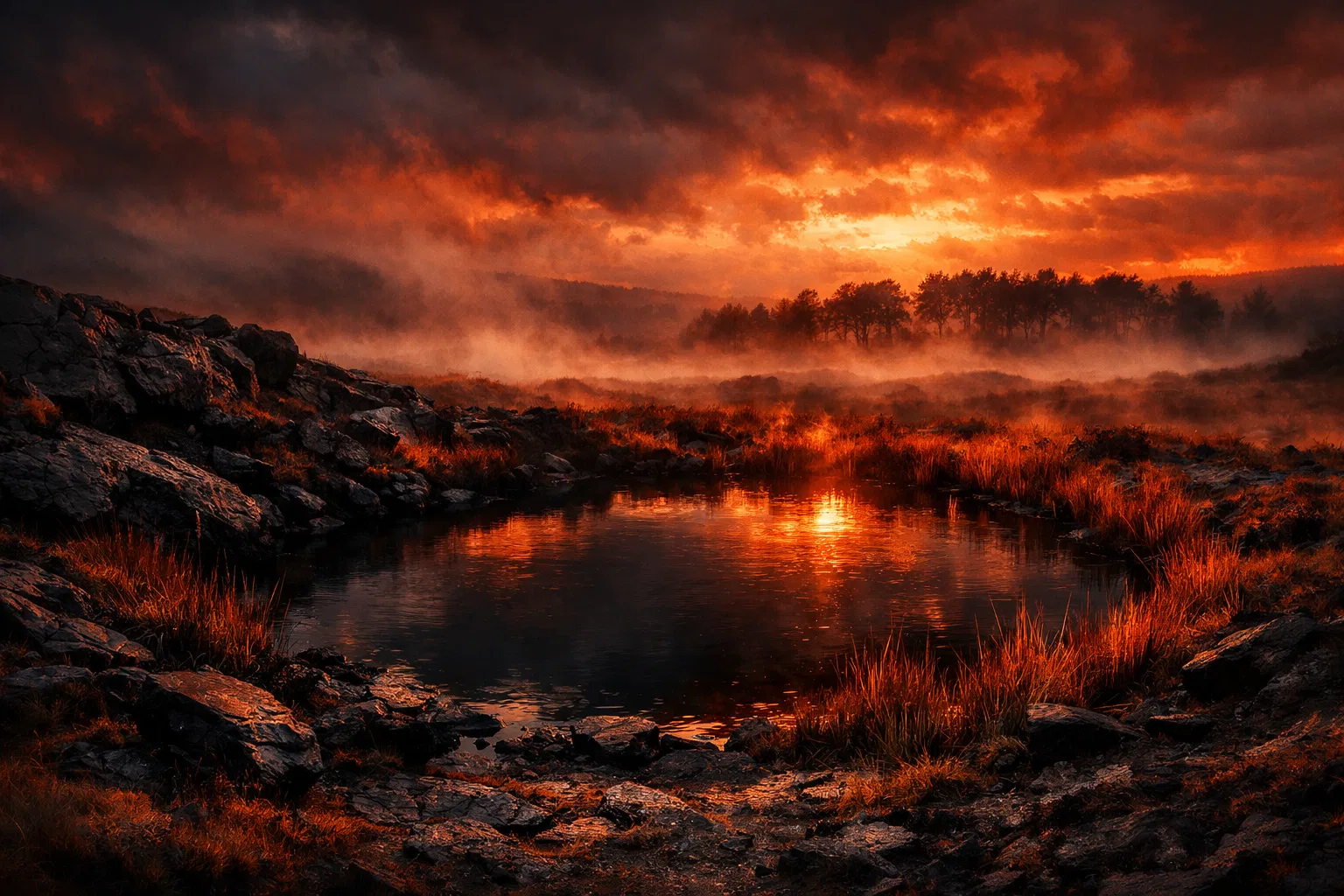
Staffordshire’s wildest ghost stories do not always belong to ruined castles or timber-framed rooms. In the north of the historic county, small dark pools on the Staffordshire Moorlands are said to shelter mermaids, water hags and Jenny Greenteeth; in the south, Cannock Chase has gathered tales of black dogs, black-eyed children, strange figures and forest fear. These are best understood as landscape legends: stories shaped by water, fog, peat, woodland paths, old earthworks, wartime remains and the unease of being alone in a place that feels older than the road home.
The evidence is uneven. Black Mere Pool has nineteenth-century folklore traces and links back to older antiquarian interest in Staffordshire’s “natural curiosities”; Doxey Pool’s Jenny Greenteeth tradition is more elusive but still strongly attached to The Roaches. Cannock Chase’s black-eyed child, by contrast, is largely a modern media and internet-age legend, given local force by the Chase’s real historic depth and its reputation as a place where people have long projected fear.[staffspasttrack.org.uk]search.staffspasttrack.org.ukResource Details - Staffordshire Past Track…
Why Staffordshire’s wild legends feel different
Staffordshire is useful for ghost folklore because its haunted geography changes sharply from north to south. Wikishire’s historic-county description emphasises the contrast between northern moorland, rural hills, industrial districts and Cannock Chase in the south; that contrast matters because the stories here are not simply “haunted Staffordshire” with different scenery. The Moorlands stories gather around water and exposure. Cannock Chase stories gather around woodland, open heath, old roads and the feeling that something may be watching from the edge of the path.[Wikishire]wikishire.co.ukOpen source on wikishire.co.uk.
The Roaches, where Doxey Pool sits, is now managed by Staffordshire Wildlife Trust, which describes it as a 975-acre landscape on the edge of the Peak District National Park, known for gritstone rock faces, wild heather hillsides, public footpaths and internationally important habitats including blanket bog and upland moorland. That is exactly the sort of setting in which a small pool can seem larger in the imagination than it is on the map: high, exposed, changeable, and reached by walkers rather than framed by buildings.[Staffordshire Wildlife Trust]staffs-wildlife.org.ukStaffordshire Wildlife Trust The Roaches | Staffordshire Wildlife TrustStaffordshire Wildlife Trust The Roaches | Staffordshire Wildlife Trust
Cannock Chase works differently. It is mainland England’s smallest National Landscape, but it is also one of the most heavily visited protected landscapes in the UK, with extensive heathland, forest, historic parkland, ancient woodland, veteran oaks, deer, military remains and over 1,000 cultural heritage assets. The place is not empty wilderness; it is a layered landscape where prehistoric earthworks, medieval hunting, industrial traces, First World War camps and modern recreation overlap. That density helps explain why new supernatural stories can attach to it so readily.[National Landscapes]national-landscapes.org.ukOpen source on national-landscapes.org.uk.
Jenny Greenteeth and the haunted pools
The clearest Moorlands pattern is the dangerous pool. Doxey Pool, on the path over The Roaches near the Staffordshire-Derbyshire border, is physically small but folklorically outsized. Atlas Obscura gives its dimensions as about 49 by 33 feet and records traditions that the pool is bottomless, linked by a subterranean passage to nearby Blake Mere, and haunted by a malignant mermaid called Jenny Greenteeth, sometimes described as a blue nymph. One twentieth-century witness account, attributed to Florence Pettit in 1949, describes a weed-and-water figure rising from the pool before dissolving back into it.[Atlas Obscura]atlasobscura.comAtlas Obscura Doxey Pool in StaffordshireAtlas Obscura Doxey Pool in Staffordshire
Jenny Greenteeth is not unique to Staffordshire. The name belongs to a wider north-western and north Midlands water-bogey tradition: a creature lurking in green weed, stagnant water and unsafe pools, often used in folklore as a warning to children not to get too close to dangerous water. Oxford Reference summarises Charlotte Burne’s version as an old woman beneath green weeds in stagnant ponds, while later folklore summaries connect the figure with drowning fears and pondweed-covered surfaces that can make water look deceptively solid.[Oxford Reference]oxfordreference.comOpen source on oxfordreference.com.
That wider motif matters because it keeps the Doxey Pool story from becoming a simple “local monster” tale. Jenny Greenteeth is a mechanism as much as a character: she turns natural danger into a memorable warning. A pool on a high moor, reached in mist or poor light, does not need to be large to be frightening. A child, walker or swimmer who hears that “Jenny” waits under the weeds is being given a story-shaped hazard sign.
Nearby Black Mere Pool, also known as Blake Mere or Mermaid Pool, has the stronger documentary trail. It lies on the south-western edge of the Staffordshire Peak District, near Leek, and is repeatedly associated with a mermaid who may be a wronged woman, a trapped sea creature, or a water spirit defending her home. Historic UK summarises two competing versions: in one, a sailor brings a mermaid inland and she haunts the lake after his death; in another, a woman rejected by Joshua Linnet is accused of witchcraft, drowned in the pool, and returns as a vengeful mermaid whose curse brings Linnet’s death.[Historic UK]historic-uk.comHistoric UKThe Mermaids at Mermaid's Pool and Black Mere Pool, Peak DistrictHistoric UKThe Mermaids at Mermaid's Pool and Black Mere Pool, Peak District
The older folklore layer is less lurid but more valuable. Charlotte Sophia Burne, one of the major English folklore collectors, preserved a tradition that a mermaid at Black Mere threatened to “destroy all Leek and Leek Frith” if her abode was disturbed. The same passage compares it with Aqualate Mere on the Shropshire border, where a mermaid supposedly prevented draining by threatening Newport and Meretown. In other words, Staffordshire’s mermaid is part of a recognisable Midlands pattern: water spirits appear when people try to drain, disturb or rationalise uncanny water.[JURN]jurn.linkOpen source on jurn.link.
The draining motif is especially telling. Later versions say local people tried to let off the waters to test whether Black Mere was bottomless, only for the mermaid to appear and threaten a flood. A folklore chronology collected by Tales of Britain and Ireland traces printed versions of the Black Mere story through the 1860s and later nineteenth century, noting an 1862 form in which a mermaid warns that if the waters burst their bounds, Leek and “Firth” would be deluged, and an 1863 version in The Reliquary in which the pool is also called Mermaid Pool.[Tales of Britain and Ireland]talesofbritainandireland.comTales of Britain and Ireland Episode 56: Peak District MermaidsTales of Britain and Ireland Episode 56: Peak District Mermaids
There are several ways to read these water stories without flattening them. One is moral: the drowned woman becomes a figure of injustice. One is practical: deep, boggy or weed-covered pools are dangerous, especially to children and lone travellers. One is ecological: water that looks still may be alive with peat, weed, gases, mud and hidden depth. One is social: communities often protect awkward, marginal places by making them taboo. The mermaid’s threat is not just “I will drown you”; it is “leave this place alone”.
Modern conservation gives the old warning a new twist. Staffordshire Wildlife Trust reported in 2023 that Doxey Pool was in very poor ecological condition, with bank erosion and disturbance caused by thousands of dogs and visitors entering the water; the trust fenced it to allow vegetation and water quality to recover. The old legend says the pool punishes intrusion. The modern notice says the pool is damaged by it. Those are not the same claim, but they rhyme.[Staffordshire Wildlife Trust]staffs-wildlife.org.ukOpen source on staffs-wildlife.org.uk.
Black dogs and forest fear on Cannock Chase
Cannock Chase’s ghost animals belong to a different branch of folklore. Black dog stories are widespread in English tradition: large spectral hounds with fiery or unnatural eyes, often associated with roads, crossroads, barrows, churchyards, execution places or death omens. Staffordshire versions have been attached to Cannock Chase under names such as the Hednesford Hellhound and the Slitting Mill Bastard, though much of the available modern writing about them is secondary, paranormal or enthusiast-led rather than old parish testimony.[David Castleton Blog - The Serpent's Pen]davidcastleton.netDavid Castleton BlogDavid Castleton Blog
The reason the Chase suits black dog legend is clear. Its landscape is full of thresholds. It is heath and woodland, but also a commuter-edge green space. It is ancient and modern. It has car parks, cycling tracks and visitor hubs, but also dark forestry, old earthworks and military remains. The National Landscapes account describes Cannock Chase as an elevated sandstone plateau dominated by forest and heath, with Castle Ring Iron Age hillfort as the highest point; Historic England describes “previous generations” leaving marks across the Chase, many hidden in woodland and heath.[National Landscapes]national-landscapes.org.ukOpen source on national-landscapes.org.uk.
Castle Ring helps explain the atmosphere without needing to invent anything supernatural. Historic England records it as an Iron Age multivallate hillfort at the south-eastern edge of Cannock Chase, later reused with a medieval hunting lodge, occupying the summit of a small hill and enclosing about 3.6 hectares. Earthworks like this often gather stories because they look purposeful but mysterious to later walkers. Even when the legend is modern, the setting lends it age.[Historic England]historicengland.org.ukOpen source on historicengland.org.uk.
The black dog motif also works because it is ambiguous. A dog can be a guide, threat, omen, guardian or scavenger. In a forest at dusk, a real deer, loose dog, fox, shadow, cyclist’s light or unexpected sound can be misread for a moment. Folklore does not require the misreading to be foolish. It only requires the experience to be memorable enough to tell afterwards, and Cannock Chase gives people plenty of half-seen edges from which a story can emerge.
This is where the Chase differs from the Moorlands pools. Jenny Greenteeth usually warns against a specific danger: water. The black dog warns against the journey itself: the road through the dark, the lonely track, the moment when the familiar countryside stops feeling tame. That is why black dog stories often fit old roads and liminal places so well, and why Cannock Chase, with its open access land, woodland cover and older routeways, remains a natural home for them.[National Landscapes]national-landscapes.org.ukOpen source on national-landscapes.org.uk.
The black-eyed child: old haunting or modern legend?
The black-eyed child of Cannock Chase is one of Staffordshire’s most famous recent eerie stories, but it needs careful handling. The usual claim is that a pale child with entirely black eyes appears on or near the Chase, sometimes crying, asking for help or vanishing when approached. Local and national media attention surged in 2014 after Birmingham Mail reports on paranormal investigator Lee Brickley and alleged sightings; BuzzFeed’s contemporary analysis noted that the newspaper account relied heavily on Brickley, including a story attributed to his aunt’s 1982 sighting.[Birmingham Mail]birminghammail.co.ukcannock chase black eyed child 7863696cannock chase black eyed child 7863696
The wider black-eyed children legend is not ancient Staffordshire folklore. Atlas Obscura’s 2024 account traces the modern figure to Brian Bethel’s 1996 Abilene, Texas story, after which similar accounts spread internationally with recurring features: pale children or teenagers, entirely black eyes, a request to enter a car or house, and an intense feeling of dread. The story works because it turns childhood vulnerability upside down; the apparent child becomes the threat, and the adult’s instinct to help becomes the trap.[Atlas Obscura]atlasobscura.comblack eyed children urban legendblack eyed children urban legend
That does not make the Cannock Chase version unimportant. It makes it a good example of how modern legends localise themselves. A story that begins as an American internet-age urban legend can become a Staffordshire landscape haunting when retold through local woods, local roads, local tragedy and local media. By 2014, BuzzFeed was already treating the Cannock Chase black-eyed child as part tabloid panic, part internet folklore, noting connections made in press coverage with Slender Man and other online bogey figures.[BuzzFeed]buzzfeed.comBuzz Feed Everything You Need To Know About Black-Eyed Ghost ChildrenBuzz Feed Everything You Need To Know About Black-Eyed Ghost Children
The credibility problem is therefore not simply “did anyone see something?” People may sincerely report strange encounters. The problem is that the black-eyed child tradition has a known modern template, a strong online transmission route, and a tendency to absorb existing anxieties. Reports that appear after a legend is already well publicised are difficult to separate from expectation, suggestion, misremembering, deliberate performance or ordinary fear in a dark place.
Cannock Chase’s real history also complicates the story. The Chase is associated in public memory with military training camps, cemeteries, industrial remains and, more painfully, twentieth-century child murders often invoked in paranormal retellings. Responsible haunted-history writing should not treat real victims as decorative backstory for a ghost claim. It is enough to say that public knowledge of tragedy can make a landscape feel emotionally charged, and that modern legends often grow where grief, fear and place-name recognition already exist. Historic England’s work on the Chase shows that much of its past is physically present but partly hidden in woodland and heath, which is exactly the sort of terrain where memory and imagination blur.[Historic England]historicengland.org.ukOpen source on historicengland.org.uk.
Why landscapes attract modern legends
Wild-place legends survive because they are portable. A castle ghost often needs a particular room, family or historical figure. A landscape haunting needs only a path, pool, road or patch of trees that feels wrong at the right moment. Staffordshire’s Moorlands and Cannock Chase both offer that, but through different mechanisms.
The first mechanism is danger made memorable. Jenny Greenteeth gives a face to unsafe water. Black Mere’s mermaid turns a dark tarn into a place that resists interference. These stories are not reliable evidence for spirits, but they are excellent evidence for how communities teach caution around bogs, pools and remote ground. The fact that Doxey Pool now requires ecological protection from visitor pressure adds a modern, non-supernatural reason to respect the old taboo.[Staffordshire Wildlife Trust]staffs-wildlife.org.ukOpen source on staffs-wildlife.org.uk.
The second mechanism is uncertain depth. Black Mere’s older stories repeatedly ask whether the pool is bottomless, whether it can be drained, whether it connects to other waters, and whether disturbing it might flood nearby settlements. In folklore, a pool that cannot be fully measured becomes a doorway. The nineteenth-century printed trail around Black Mere shows the legend developing from warning and wonder into darker mermaid-haunting forms over time.[JURN]jurn.linkOpen source on jurn.link.
The third mechanism is edge-of-town fear. Cannock Chase is accessible to millions, yet it can still feel remote once the light drops or the path narrows. The National Landscapes Association notes its 2.5 million estimated annual visitors and unusually dense visitor pressure for a protected landscape; that popularity may actually help legends spread, because more visitors means more stories, photographs, rumours, social posts and local press hooks.[National Landscapes]national-landscapes.org.ukOpen source on national-landscapes.org.uk.
The fourth mechanism is media reinforcement. The black-eyed child became famous not because it had the oldest roots, but because it fitted a ready-made modern horror grammar: uncanny children, black eyes, viral retellings, paranormal investigation, newspaper headlines and searchable place names. Cannock Chase gives the story a map reference; the internet gives it speed.[BuzzFeed]buzzfeed.comBuzz Feed Everything You Need To Know About Black-Eyed Ghost ChildrenBuzz Feed Everything You Need To Know About Black-Eyed Ghost Children
How credible are these Staffordshire wild legends?
The strongest folklore case belongs to Black Mere Pool. It has older printed traces, a named folklorist in Charlotte Sophia Burne, nineteenth-century variants and a clear place-based tradition tied to water, draining and local fear of flood or drowning. That does not prove a mermaid; it does show a durable legend with documentary depth.[JURN]jurn.linkOpen source on jurn.link.
Doxey Pool’s Jenny Greenteeth story is credible as folklore, though harder to pin to early local documentation. Its power comes from the fit between place and motif: a small, high Moorlands pool, a wider northern water-hag tradition, and repeated modern retellings that place Jenny Greenteeth or a malignant mermaid in its waters. The 1949 Florence Pettit account is vivid, but it should be treated as a reported experience preserved in modern retellings rather than as independently verified evidence.[Atlas Obscura]atlasobscura.comAtlas Obscura Doxey Pool in StaffordshireAtlas Obscura Doxey Pool in Staffordshire
Cannock Chase’s black dog stories fit a much older English motif, but the specific named Chase hounds are often supported by modern paranormal summaries rather than strong early documentation. They are best read as local expressions of a national black dog pattern, sharpened by the Chase’s roads, woodland and old earthworks.[davidcastleton.net]davidcastleton.netDavid Castleton BlogDavid Castleton Blog
The black-eyed child is the most modern and the most media-shaped. Its Staffordshire version is locally famous, but the wider figure has a traceable 1990s American urban-legend background, and the 2014 Cannock Chase surge appears to have depended heavily on paranormal-investigator testimony and newspaper amplification. Its value is not as ancient county folklore, but as a case study in how quickly a modern legend can be naturalised into an old haunted landscape.[BuzzFeed]buzzfeed.comBuzz Feed Everything You Need To Know About Black-Eyed Ghost ChildrenBuzz Feed Everything You Need To Know About Black-Eyed Ghost Children
Taken together, these stories show why Staffordshire’s haunted wild places matter. The Moorlands pools preserve older fears of water, drowning, depth and trespass. Cannock Chase gathers road-and-forest anxieties, from spectral hounds to internet-age children with black eyes. None need be accepted as fact to be worth taking seriously. They are part of how Staffordshire’s landscapes are remembered, warned about, visited and retold after dark.
Amazon book picks
Further Reading
Books and field guides related to What Haunts Staffordshire's Wild Places?. Use these as the next step if you want deeper reading beyond the article.
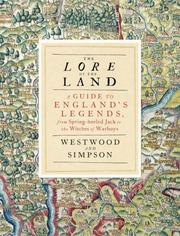
The lore of the land
Excellent source for landscape legends, pools, woods and supernatural traditions.
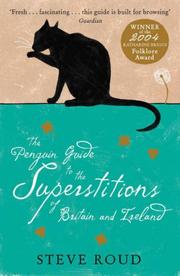
The Penguin Guide to the Superstitions of Britain and Ireland
Covers black dogs, water spirits and regional beliefs.


Little Book of the Green Man
First published 1998. Subjects: Gargoyles, Green Man (Tale), In art, Decoration and ornament, architectural.
eBay marketplace picks
Marketplace Samples
Live-tested eBay searches with available results related to this page.
Endnotes
1.
Source: search.staffspasttrack.org.uk
Link:https://www.search.staffspasttrack.org.uk/Details.aspx?ResourceID=25843&SearchType=2&ThemeID=353
Source snippet
Resource Details - Staffordshire Past Track...
2.
Source: jurn.link
Link:https://jurn.link/spyders/2017/12/27/charlotte-s-burnes-paper-what-folkore-is-and-how-it-is-to-be-collected/
3.
Source: Wikipedia
Title: Jenny Greenteeth
Link:https://en.wikipedia.org/wiki/Jenny_Greenteeth
4.
Source: historic-uk.com
Title: Historic UKThe Mermaids at Mermaid’s Pool and Black Mere Pool, Peak District
Link:https://www.historic-uk.com/CultureUK/The-Mermaids-of-the-Peak-District/
5.
Source: davidcastleton.net
Title: David Castleton Blog
Link:https://www.davidcastleton.net/black-dog-legends-england-britain-ghosts-hellhounds/
6.
Source: Wikipedia
Title: Black dog (folklore)
Link:https://en.wikipedia.org/wiki/Black_dog_%28folklore%29
7.
Source: buzzfeed.com
Title: Buzz Feed Everything You Need To Know About Black-Eyed Ghost Children
Link:https://www.buzzfeed.com/patricksmith/everything-you-need-to-know-about-black-eyed-ghost-children
8.
Source: Wikipedia
Title: Black eyed children
Link:https://en.wikipedia.org/wiki/Black-eyed_children
9.
Source: Wikipedia
Title: Blakemere Pond
Link:https://en.wikipedia.org/wiki/Blakemere_Pond
10.
Source: Wikipedia
Title: The Roaches
Link:https://en.wikipedia.org/wiki/The_Roaches
11.
Source: Wikipedia
Title: Cannock Chase
Link:https://en.wikipedia.org/wiki/Cannock_Chase
12.
Source: Wikipedia
Link:https://en.wikipedia.org/wiki/Staffordshire
13.
Source: jurn.link
Title: plots natural history of staffordshire digital facsimile available
Link:https://jurn.link/spyders/2012/04/27/plots-natural-history-of-staffordshire-digital-facsimile-available/
14.
Source: atlasobscura.com
Title: Atlas Obscura Doxey Pool in Staffordshire
Link:https://www.atlasobscura.com/places/doxey-pool
15.
Source: national-landscapes.org.uk
Link:https://national-landscapes.org.uk/national-landscapes/cannock-chase
16.
Source: wikishire.co.uk
Link:https://wikishire.co.uk/wiki/Staffordshire
17.
Source: staffs-wildlife.org.uk
Title: Staffordshire Wildlife Trust The Roaches | Staffordshire Wildlife Trust
Link:https://www.staffs-wildlife.org.uk/nature-reserves/roaches
18.
Source: historicengland.org.uk
Link:https://historicengland.org.uk/research/current/discover-and-understand/landscapes/cannock-chase/
19.
Source: oxfordreference.com
Link:https://www.oxfordreference.com/display/10.1093/oi/authority.20110803100019644
20.
Source: talesofbritainandireland.com
Title: Tales of Britain and Ireland Episode 56: Peak District Mermaids
Link:https://talesofbritainandireland.com/episode-56-peak-mermaid/
21.
Source: staffs-wildlife.org.uk
Link:https://www.staffs-wildlife.org.uk/explore/our-nature-reserves/winter-work-roaches
22.
Source: historicengland.org.uk
Link:https://historicengland.org.uk/listing/the-list/list-entry/1014687
23.
Source: birminghammail.co.uk
Title: cannock chase black eyed child 7863696
Link:https://www.birminghammail.co.uk/news/midlands-news/cannock-chase-black-eyed-child-7863696
24.
Source: atlasobscura.com
Title: black eyed children urban legend
Link:https://www.atlasobscura.com/articles/black-eyed-children-urban-legend
25.
Source: facebook.com
Title: cannock chase
Link:https://www.facebook.com/StaffordshireCountyCouncil/videos/cannock-chase-/1150235536368946/
26.
Source: gazetteer.org.uk
Link:https://gazetteer.org.uk/place/Staffordshire
27.
Source: historicengland.org.uk
Title: Cannock Chase
Link:https://historicengland.org.uk/local/locations/cannock-chase/
28.
Source: birminghammail.co.uk
Title: black eyed child returns haunt 7846214
Link:https://www.birminghammail.co.uk/news/midlands-news/black-eyed-child-returns-haunt-7846214
29.
Source: birminghammail.co.uk
Title: teens terrifying encounter cannock chases 25279675
Link:https://www.birminghammail.co.uk/black-country/teens-terrifying-encounter-cannock-chases-25279675
30.
Source: birminghammail.co.uk
Title: inside history cannock chases mythical 26223757
Link:https://www.birminghammail.co.uk/black-country/inside-history-cannock-chases-mythical-26223757
31.
Source: birminghammail.co.uk
Title: haunting moment black eyed ghost 33262275
Link:https://www.birminghammail.co.uk/news/haunting-moment-black-eyed-ghost-33262275
32.
Source: wikishire.co.uk
Link:https://wikishire.co.uk/wiki/Category%3AStaffordshire
33.
Source: folklorelibrary.com
Title: charlotte sophia burne
Link:https://www.folklorelibrary.com/charlotte-sophia-burne.html
34.
Source: hauntedrooms.co.uk
Title: cannock chase
Link:https://www.hauntedrooms.co.uk/haunted-places/cannock-chase
Additional References
35.
Source: youtube.com
Title: We Spent 24 HOURS in Cannock Chase: The UK’s Most Haunted Woods!
Link:https://www.youtube.com/watch?v=LoWxUZT8G4A
Source snippet
Most Haunted FOREST In The UK: There's SOMETHING Out There...
36.
Source: cannock-chase.co.uk
Link:https://www.cannock-chase.co.uk/about/about-cannock-chase/a-national-landscape/
37.
Source: facebook.com
Link:https://www.facebook.com/thisisleekstaffordshire/posts/an-interesting-article-regarding-the-mystery-of-mermaid-pool-/560335999962381/
38.
Source: reddit.com
Link:https://www.reddit.com/r/ParanormalEncounters/comments/1edemv5/are_black_eyed_children_real/
39.
Source: themodernantiquarian.com
Link:https://www.themodernantiquarian.com/site/3129/castle-ring-cannock-wood
40.
Source: instagram.com
Link:https://www.instagram.com/p/DTNKtycjT3e/
41.
Source: facebook.com
Link:https://www.facebook.com/groups/672818376463049/posts/1434382523639960/
42.
Source: thefolklorepodcast.com
Link:https://www.thefolklorepodcast.com/charlotte-sophia-burne.html
43.
Source: snopes.com
Link:https://www.snopes.com/author/snopes/?pagenum=129
44.
Source: facebook.com
Link:https://www.facebook.com/groups/uncannyfan/posts/2322040264939258/
Topic Tree