Where Does Worcestershire Keep Its Ghosts?
Worcestershire’s haunted reputation is strongest where old buildings, Civil War memory, recusant Catholic history, ruined estates, coaching roads and village pubs overlap.
Page outline Jump by section
Introduction
The stories should be read as folklore, local testimony and tourism culture, not proof of the supernatural. Their value lies in what they preserve: fear of war, religious persecution, bad deaths, vanished roads, drowned people, lost estates and old buildings that seem to remember more than official history can comfortably hold. Historic Worcestershire also differs from the modern administrative county in places, with older county geography including detached or contested areas such as Dudley in traditional county accounts, so haunted Worcestershire sometimes overlaps with Black Country, Warwickshire, Herefordshire and Cotswold routes.[Wikishire]wikishire.co.ukOpen source on wikishire.co.uk.
Where Worcestershire’s ghost map begins
For haunted-history purposes, Worcestershire is best approached through its older county identity rather than only today’s council boundaries. The historic county is anchored by Worcester, the Severn, the Vale of Evesham, the Malvern Hills, the Wyre Forest edge, the salt town of Droitwich, and the north-eastern routes towards Redditch and Bromsgrove. Historic-county sources also note detached parts and border complications: Wikishire lists several detached Worcestershire areas in neighbouring counties, while the Association of British Counties describes Dudley and other Black Country places as part of historic Worcestershire.[Wikishire]wikishire.co.ukOpen source on wikishire.co.uk.
That matters because ghost stories rarely obey neat local-government lines. A phantom coach may belong to an old estate road; a Civil War apparition may follow a campaign route; a priest-hole legend may sit within a network of recusant houses across Worcestershire, Warwickshire and Staffordshire; and stories from Dudley, Halesowen or the Black Country may be claimed differently depending on whether a writer is using historic, ceremonial or administrative geography. For this page, the centre of gravity remains Worcestershire: Worcester, Hanbury, Bretforton, Harvington, Great Witley, Malvern, Evesham, Pershore, Redditch, Droitwich, Kidderminster and the surrounding villages.
The county’s haunted texture is unusually varied. Worcester gives the stories a Civil War and civic-prison atmosphere. The Vale of Evesham supplies abbey bells, old funeral processions and rural coach legends. The Malvern Hills contribute hilltop apparitions, cursed shadows and strange road encounters. Country houses such as Hanbury Hall, Harvington Hall and Witley Court turn private family history into public legend. Inns and pubs, especially the Fleece Inn and the Mug House, keep the folklore social: ghosts are not just seen, but heard upstairs, smelt near the fire, blamed for moved objects, or folded into the identity of the place.[paranormaldatabase.com]paranormaldatabase.comThe Paranormal DatabaseThe Paranormal Database
The Commandery: Worcester’s Civil War ghost story
The Commandery is the county’s clearest example of a haunting attached to a documented national event. Museums Worcestershire describes the building as founded around 1085 as a monastic hospital by St Wulfstan, later used as a family home, a school for the blind and a printing works. During the Battle of Worcester in 1651, the final battle of the English Civil Wars, it stood at the heart of the fighting as Royalist headquarters.[Museums Worcestershire]museumsworcestershire.org.ukOpen source on museumsworcestershire.org.uk.
The ghost story centres on William Hamilton, 2nd Duke of Hamilton, a senior Royalist commander. Battlefield and Civil War sources record that Hamilton was wounded at the Battle of Worcester on 3 September 1651 and died of his wounds on 12 September; the Battlefield Trust’s memorial entry states that he died at The Commandery and was buried in Worcester Cathedral.[Battlefields Trust]battlefieldstrust.comOpen source on battlefieldstrust.com.
In local haunting tradition, the Commandery is said to preserve the agony of Hamilton’s last days. Visit Worcestershire calls him one of the county’s most famous ghosts, with staff and guests said to have heard groans of pain associated with his death. Paranormal-event listings add reports of doors closing, uneasy presences and the Solar Room as a focus of the haunting, although those accounts are commercial and should be treated more cautiously than the underlying historical record.[Visit Worcestershire]visitworcestershire.orgOpen source on visitworcestershire.org.
The story works because it joins a verified death to a still-visitible room and a city trauma. Worcester’s Civil War history is not a vague backdrop: Museums Worcestershire calls the 1651 battle the dramatic close of the English Civil Wars, and the county has marked the battle’s 375th anniversary with heritage events at the Commandery, Worcester Cathedral, Hartlebury Castle and Fort Royal Park. The haunting, then, is less a detachable “spooky tale” than a folkloric way of keeping the battle audible in the building.[Museums Worcestershire]museumsworcestershire.org.ukOpen source on museumsworcestershire.org.uk.
Worcester’s civic ghosts: cells, streets and old public buildings
Worcester’s haunted reputation also comes from its civic spaces: Guildhall cells, old inns, churchyards, the riverbank and former institutional buildings. The Guildhall is a good example. Its official visitor material says the present building dates back to 1721, was once the seat of justice in the city and housed a prison. Worcester City Council has itself referred to the Guildhall’s “haunted cells”, noting 21st-century reports of moaning and screaming noises said to come from the old cells.[Visit Worcestershire]visitworcestershire.orgworcester guildhallworcester guildhall
The Paranormal Database, a long-running archive of folklore, witness reports and published ghost material, records a Guildhall tradition of a young boy and an unknown woman haunting the former prison cells. The same archive lists many Worcester-city cases: a phantom “Sid” at the King’s Head public house, a grey cat at the Old Talbot, a pale young girl in St Helen’s church, three nuns at Tudor House Museum, a figure called Polly seen near the River Severn after a drowning, and a phantom bear associated with Worcester Cathedral and College Green since the Civil War. These entries vary in evidential strength, from “published media” to user submission, so they are best read as a map of circulating stories rather than as equal-quality evidence.[paranormaldatabase.com]paranormaldatabase.comThe Paranormal DatabaseThe Paranormal Database
Worcester also has a formal ghost-walk culture. The Historic Ghost Walk of Worcester advertises access through locked gates and bolted doors to hear “ghostly experiences and historical facts”, while Museums Worcestershire has promoted Halloween ghost tours at the Commandery. That blend of performance, heritage interpretation and local testimony is now part of how the city presents its eerie past.[historicghostwalkofworcester.co.uk]historicghostwalkofworcester.co.ukOpen source on historicghostwalkofworcester.co.uk.
The sceptical reading is straightforward: old courts, cells, hospitals and inns are ideal settings for stories because they concentrate fear, punishment, illness, death and public memory in one place. The folkloric reading is more generous: Worcester’s ghosts give names and voices to people who otherwise appear only as prisoners, patients, servants, drinkers, soldiers or drowned figures at the edge of the record.
Hanbury Hall: Emma Vernon and the ghost of lost love
Hanbury Hall’s haunting is one of Worcestershire’s most narratively complete ghost stories. The National Trust describes Hanbury Hall as an early 18th-century baroque retreat built for the lawyer Thomas Vernon and celebrated for James Thornhill’s paintings and recreated formal gardens. Its family story includes the heiress Emma Vernon, whose unhappy marriage and later return to the house became the basis for the ghost tradition.[National Trust]nationaltrust.org.ukNational Trust History of Hanbury HallNational Trust History of Hanbury Hall
The haunting version, preserved by Haunted Britain and repeated in later ghost-writing, says Emma Vernon fell in love with the local clergyman William Sneyd while married to Henry Cecil. After divorce, scandal and separation from Hanbury, she is said to have returned only later in life; her ghost, dressed in black, is reported along the route between the house and the church, echoing the path associated with her meetings with Sneyd.[Haunted Britain]haunted-britain.comHaunted Britain Hanbury HallHaunted Britain Hanbury Hall
This is a classic country-house ghost story: a documented family, a grand house, a romantic scandal, a path through the grounds and a repeated apparition. It is also a reminder that hauntings often attach to emotionally legible history rather than to the most politically important events. The Duke of Hamilton’s ghost belongs to war; Emma Vernon’s belongs to reputation, inheritance, marriage, exile and return.
The story’s credibility depends on what is being claimed. The Vernon and Cecil family history belongs to the documented past; the black-clad apparition is a later tradition. For readers, the safest interpretation is not “Emma haunts Hanbury Hall” as fact, but “Hanbury Hall is associated with a long-running ghost story in which Emma Vernon’s troubled domestic history is turned into a visible presence in the grounds.”
Harvington, Hindlip and the fear inside priest holes
Worcestershire’s recusant Catholic history gives some of its haunted places a different emotional charge. Harvington Hall, near Kidderminster, is famous for priest hides, more commonly called priest holes: secret spaces built to conceal Catholic priests during periods of persecution. Harvington Hall’s own history page asks visitors to imagine priest hunters lifting floorboards and stripping back panelling while hidden priests waited in cramped, dark conditions.[Harvington Hall]harvingtonhall.co.ukHarvington Hall Our StoryHarvington Hall Our Story
The ghost traditions around Harvington are more fragmentary than the history, but they draw power from the house’s genuine atmosphere of concealment. The Paranormal Database records Mary Yates, a former owner, as the name given to an elderly female apparition reportedly seen by several people, and also notes stories of an old man with a pipe, an Edwardian woman, and a witchcraft-linked figure associated with roads and fields around Harvington.[paranormaldatabase.com]paranormaldatabase.comThe Paranormal DatabaseThe Paranormal Database
Hindlip Hall adds another layer. The original Hindlip Hall is strongly associated with priest holes and the Gunpowder Plot era; the Paranormal Database records a tradition of Lady Hobbingdon and a white calf appearing annually to reveal the secret hides, along with a crying young girl in the grounds. The priest-hole motif here is especially revealing: the haunting is not only a ghost story but a memory of hidden bodies, secret rooms and the fear of discovery.[paranormaldatabase.com]paranormaldatabase.comThe Paranormal DatabaseThe Paranormal Database
From a sceptical point of view, houses full of concealed spaces invite stories. Hidden staircases, false fireplaces and windowless wall sections encourage rumours because the architecture itself feels like a puzzle. From a folkloric point of view, the stories preserve something true about the place: that terror, silence and concealment were built into the fabric of these houses.
The Fleece Inn and Worcestershire’s pub ghosts
Worcestershire’s pub ghosts are less grand than its country-house apparitions, but they are often more intimate. The Fleece Inn at Bretforton is the best-known example. The National Trust describes it as a half-timbered medieval farmhouse, first licensed as an inn in 1848, with witches’ circles, pewter, folk music, morris dancing and asparagus traditions forming part of its identity. The inn’s own website calls it a 600-year-old pub at the heart of village life.[National Trust]nationaltrust.org.ukOpen source on nationaltrust.org.uk.
Its ghost is usually identified as Lola Taplin, the last private owner and landlady before the inn passed to the National Trust. The Paranormal Database records reports from 1977 onwards, describing Lola as a short-tempered bar-room presence blamed for thrown food and objects, a poking sensation felt by one witness, and a local belief that she may watch over the pub in the form of an owl. A Mercian folklore blog gives a softer version, saying her presence is felt by the snug fire, sometimes with a scent of perfume.[paranormaldatabase.com]paranormaldatabase.comThe Paranormal DatabaseThe Paranormal Database
The Fleece illustrates how pub ghosts often function as guardians of continuity. Lola is not merely a frightening figure; she represents ownership, hospitality, temper, memory and the idea that an old inn still has a presiding personality. Similar pub and inn traditions appear across the county: Bert at the Mug House in Claines, the sailor at the Angel Inn in Pershore, Alice at the Navigation Inn in Stoke Prior, and a Royalist soldier at the Talbot in Pershore.[paranormaldatabase.com]paranormaldatabase.comThe Paranormal DatabaseThe Paranormal Database
These stories are hard to verify, but they are socially durable. A pub ghost can be retold by staff, regulars, visitors, local newspapers and ghost-walk guides. It gives a building character, gives customers a story to repeat, and turns ordinary noises upstairs into part of the venue’s identity.

Ruins, hills and roads: Witley Court, Malvern and the phantom routes
Worcestershire’s outdoor and ruin-hauntings often feel different from its house ghosts. They are tied to landscape: hills, roads, rivers, fields, lanes and abandoned routes.
Witley Court, near Great Witley, is the county’s most atmospheric ruined mansion. English Heritage describes it as once one of the great country houses of England, famous in the Victorian period for opulence and extravagant parties before a devastating fire in 1937 left it one of the country’s most spectacular ruins.[English Heritage]english-heritage.org.ukOpen source on english-heritage.org.uk.
Its ghost lore includes a barking hound and Lady Dudley. The Paranormal Database records stories of musicians, including Bob Dylan and Kevyn Gammond, visiting in the 1960s to hunt ghosts, with Dylan reportedly hearing a barking dog while others were less convinced. Witley’s Oral History archive preserves a version of the same anecdote, explicitly allowing that a dog barking in the Worcestershire countryside after midnight may have a very ordinary explanation.[paranormaldatabase.com]paranormaldatabase.comThe Paranormal DatabaseThe Paranormal Database
The Malvern Hills supply a more ancient-feeling strand. The Paranormal Database records a column of Roman legionaries seen marching up a Little Malvern hillfort, a lost soul drifting in the upper hills, and the curse of Ragged Stone Hill, where a friar’s curse is said to fall through the shadow of either the church or the rock summit. These stories draw on the hills’ visibility, age and borderland feel: high ground invites both military memory and supernatural distance.[paranormaldatabase.com]paranormaldatabase.comThe Paranormal DatabaseThe Paranormal Database
Road ghosts are equally important. Worcestershire traditions include phantom coaches near Lenchwick, South Littleton, Droitwich, Shelsey and Leigh; Roman riders or phantom horses at Church Hill South in Redditch; and black dogs or strange figures on lanes at Alfrick and Lulsley. Many of these stories belong to older travel culture: roads before street lighting, fields crossed by vanished routes, horse traffic replaced by cars, and frightening encounters experienced at night or in bad weather.[paranormaldatabase.com]paranormaldatabase.comThe Paranormal DatabaseThe Paranormal Database
Abbey bells, drowned figures and village legends
Some of Worcestershire’s most memorable supernatural tales are not building hauntings at all. They are legends of sound: bells under water, coaches passing unseen, footsteps without bodies, or hounds howling in fields.
Evesham’s abbey-bell tradition is typical. The Paranormal Database records a legend that silver bells hidden in the river when the abbey closed in 1539 can still be heard around Christmas. Broadway has a related bell story, in which church bells hidden in Middle Hill wood during the Reformation are said to ring at night. These are not modern witness-led cases so much as Reformation memory turned into sound: sacred objects lost, hidden or removed, yet still imagined as audible.[paranormaldatabase.com]paranormaldatabase.comThe Paranormal DatabaseThe Paranormal Database
Besford and Bretforton preserve darker rural motifs. Besford has the “boots made for walking” tale, in which a kennelman killed by hounds is remembered by ghostly boots and the sound of dogs. Bretforton has a headless lady near the church and a phantom funeral procession of uncertain meaning. These are folktales in the older sense: moral, local, unsettling and only loosely anchored to documentary history.[paranormaldatabase.com]paranormaldatabase.comThe Paranormal DatabaseThe Paranormal Database
Pershore’s River Avon apparition reports from 1965 are more witness-shaped. The database summarises a week of sightings, including a glowing square, a six-foot figure floating above the ground and a group of ghost hunters forming a circle around a misty shape before it vanished. Whether interpreted as misperception, local excitement, atmospheric conditions or folklore in formation, the case shows how a short burst of reported experiences can become a place-story.[paranormaldatabase.com]paranormaldatabase.comThe Paranormal DatabaseThe Paranormal Database
These smaller legends matter because they stop Worcestershire’s haunted history from becoming only a list of famous visitor attractions. They show how villages, roads, rivers and fields carry stories just as powerfully as castles and halls.
How credible are Worcestershire’s hauntings?
The strongest Worcestershire ghost stories usually have two layers: a well-attested historical setting and a less certain supernatural tradition. The Commandery’s Civil War role and Hamilton’s death are historically supported; the groans and apparitions are reported tradition. Hanbury Hall’s Vernon family history is documented by the National Trust and other historical accounts; Emma’s ghost is later folklore. Harvington’s priest holes are real and central to the house’s interpretation; the apparitions around Mary Yates and the witchcraft-linked road legends are much less secure.[museumsworcestershire.org.uk]museumsworcestershire.org.ukOpen source on museumsworcestershire.org.uk.
A useful way to read the county’s haunted material is to separate the evidence types:
- Documented history: battles, deaths, family scandals, fires, dissolutions of monasteries, prison use, priest holes and estate ownership.
- Published local tradition: ghost books, newspaper features, tourist guides, museum events and long-running folklore collections.
- Witness reports: named or unnamed individuals reporting sounds, figures, cold spots, objects moving or strange sensations.
- Commercial ghost culture: ghost hunts, Halloween tours and venue marketing, which may preserve local stories but also has a clear entertainment purpose.
- Folklore motifs: black dogs, phantom coaches, headless women, hidden bells, white ladies, Roman soldiers and haunted roads.
The thinner the source, the more careful the wording should be. A city council page mentioning reports from Guildhall cells is stronger than an anonymous online anecdote, but it still does not prove a haunting. A folklore database is valuable for mapping traditions, yet its own entries distinguish historical record, published media and user submission. A ghost-tour listing can be useful for showing how a story is currently presented to visitors, but it should not be treated as neutral evidence.[worcester.gov.uk]worcester.gov.uktie the knot in guildhall s haunted cellstie the knot in guildhall s haunted cells
The sceptical explanations are often ordinary but not dismissive: old buildings amplify sound; uneven floors and draughts create movement; grief and expectation shape perception; ruins encourage pareidolia, the human tendency to see meaningful forms in shadows and reflections; and stories become stronger when repeated in atmospheric settings. The folkloric explanation is equally important: even when a ghost is not “proved”, the story may preserve a real local anxiety about war, persecution, drowning, execution, domestic violence, social scandal or the loss of a vanished building.
Visiting Worcestershire’s haunted places responsibly
Many of Worcestershire’s haunted sites are public heritage attractions, working pubs, churches, ruins or private buildings. The Commandery, Hanbury Hall, Harvington Hall, Witley Court and the Fleece Inn can be approached as places where history comes first and ghost stories add atmosphere. Public access, opening hours and event programmes change, so the safest approach is to use the official venue pages for practical details and treat ghost-hunt listings as entertainment rather than historical authority.[museumsworcestershire.org.uk]museumsworcestershire.org.ukOpen source on museumsworcestershire.org.uk.
The best haunted itinerary would begin in Worcester, with the Commandery, Cathedral precinct, Guildhall and old-city ghost-walk routes. From there, Hanbury Hall and Harvington Hall make a strong country-house pairing: one shaped by family scandal and lost love, the other by secrecy and religious danger. Bretforton’s Fleece Inn adds the social warmth of a living pub tradition. Witley Court supplies the grand ruin: not necessarily the most evidentially strong ghost site, but one of the most visually powerful settings for a story. The Malvern Hills and Vale of Evesham then widen the mood into roads, bells, coaches, hillforts and village legend.
The county’s most rewarding haunted history is not found by asking which ghost is “real”. It is found by asking why a particular story stuck to a particular place. In Worcestershire, the answer is often visible in the building itself: a Civil War room, a prison cell, a hidden priest hole, a deserted lane, a ruined mansion, an old snug beside the fire, or a path between a house and a church where local memory decided someone never quite stopped walking.
Amazon book picks
Further Reading
Books and field guides related to Where Does Worcestershire Keep Its Ghosts?. Use these as the next step if you want deeper reading beyond the article.


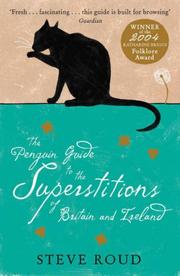
The Penguin Guide to the Superstitions of Britain and Ireland
Explains traditions underpinning county ghost stories.
eBay marketplace picks
Marketplace Samples
Live-tested eBay searches with available results related to this page.


Endnotes
1.
Source: paranormaldatabase.com
Title: The Paranormal Database
Link:https://www.paranormaldatabase.com/worcestershire/worcestdata.php?pageNum_paradata=0&totalRows_paradata=97
2.
Source: paranormaldatabase.com
Title: The Paranormal Database
Link:https://www.paranormaldatabase.com/worcestershire/worcestdata.php?pageNum_paradata=1&totalRows_paradata=97
3.
Source: paranormaldatabase.com
Title: The Paranormal Database
Link:https://www.paranormaldatabase.com/worcestershire/worcestdata.php?pageNum_paradata=2&totalRows_paradata=97
4.
Source: paranormaldatabase.com
Title: The Paranormal Database
Link:https://www.paranormaldatabase.com/worcestershire/worcestdata.php?pageNum_paradata=3
5.
Source: historicghostwalkofworcester.co.uk
Link:https://www.historicghostwalkofworcester.co.uk/about-us
6.
Source: haunted-britain.com
Title: Haunted Britain Hanbury Hall
Link:https://www.haunted-britain.com/hanbury-hall.htm
7.
Source: paranormaldatabase.com
Link:https://www.paranormaldatabase.com/dorset/dorsdata.php?pageNum_paradata=5%2F1000
8.
Source: paranormaldatabase.com
Link:https://www.paranormaldatabase.com/leicestershire/leicdata.php
9.
Source: paranormaldatabase.com
Link:https://www.paranormaldatabase.com/worcestershire/worcestdata.php?pageNum_paradata=1
10.
Source: haunted-britain.com
Title: Ghosts Of The Midlands
Link:https://www.haunted-britain.com/midlands.htm
11.
Source: haunted-britain.com
Title: Sitemap For Haunted Britain Corfe Castle’s Ghostly White Lady
Link:https://www.haunted-britain.com/sitemap.html
12.
Source: wikishire.co.uk
Link:https://wikishire.co.uk/wiki/Worcestershire
13.
Source: museumsworcestershire.org.uk
Link:https://www.museumsworcestershire.org.uk/2026/03/09/worcestershire-commemorates-375-years-since-the-battle-of-worcester-the-battle-that-changed-the-course-of-english-history/
14.
Source: battlefieldstrust.com
Link:https://www.battlefieldstrust.com/memorial/memorial.asp?MemorialID=166
15.
Source: visitworcestershire.org
Link:https://visitworcestershire.org/blog/top-8-haunted-hotspots-for-halloween-not-for-the-faint-hearted
16.
Source: visitworcestershire.org
Link:https://visitworcestershire.org/english-civil-war-375
17.
Source: visitworcestershire.org
Title: worcester guildhall
Link:https://visitworcestershire.org/business-directory/worcester-guildhall
18.
Source: worcester.gov.uk
Title: tie the knot in guildhall s haunted cells
Link:https://www.worcester.gov.uk/news/tie-the-knot-in-guildhall-s-haunted-cells
19.
Source: museumsworcestershire.org.uk
Link:https://www.museumsworcestershire.org.uk/2021/10/14/witches-potions-and-ghost-stories-for-halloween-at-worcesters-historic-commandery/
20.
Source: nationaltrust.org.uk
Title: National Trust History of Hanbury Hall
Link:https://www.nationaltrust.org.uk/visit/worcestershire-herefordshire/hanbury-hall/history-of-hanbury-hall
21.
Source: spookyisles.com
Title: hanbury hall
Link:https://www.spookyisles.com/hanbury-hall/
22.
Source: harvingtonhall.co.uk
Title: Harvington Hall Our Story
Link:https://harvingtonhall.co.uk/our-story/
23.
Source: Wikipedia
Title: Priest hole
Link:https://en.wikipedia.org/wiki/Priest_hole
24.
Source: nationaltrust.org.uk
Link:https://www.nationaltrust.org.uk/visit/worcestershire-herefordshire/the-fleece-inn
25.
Source: mysteriesofmercia.com
Title: the fleece inn
Link:https://www.mysteriesofmercia.com/post/the-fleece-inn
26.
Source: english-heritage.org.uk
Link:https://www.english-heritage.org.uk/visit/places/witley-court-and-gardens/history/
27.
Source: Wikipedia
Title: William Hamilton, 2nd Duke of Hamilton
Link:https://en.wikipedia.org/wiki/William_Hamilton%2C_2nd_Duke_of_Hamilton
28.
Source: Wikipedia
Title: Hanbury Hall
Link:https://en.wikipedia.org/wiki/Hanbury_Hall
29.
Source: Wikipedia
Title: The Fleece Inn
Link:https://en.wikipedia.org/wiki/The_Fleece_Inn
30.
Source: Wikipedia
Title: Witley Court
Link:https://en.wikipedia.org/wiki/Witley_Court
31.
Source: facebook.com
Link:https://www.facebook.com/ParanormalFilesuk/posts/harvington-hall-a-hidden-house-of-faith-and-haunting-echoestucked-away-in-the-wo/1060826432691722/
32.
Source: facebook.com
Link:https://www.facebook.com/Harvington/posts/imagine-the-fear-the-sound-of-boots-at-the-doorthe-house-being-torn-apart-above-/1525479769580610/
33.
Source: facebook.com
Link:https://www.facebook.com/RealCounties/photos/the-county-of-worcestershire-is-divided-into-five-hundreds-blackenhurst-doddingt/913137327636502/
34.
Source: wikishire.co.uk
Link:https://wikishire.co.uk/wiki/Dudley
35.
Source: youtube.com
Link:https://www.youtube.com/watch?v=oOOIVyoz96M
36.
Source: youtube.com
Title: Hanbury Hall
Link:https://www.youtube.com/watch?v=WrGM3WXnQIc
37.
Source: worcesterpeopleandplaces.org.uk
Title: The Commandery
Link:https://www.worcesterpeopleandplaces.org.uk/news/510/146/The-Commandery.html
38.
Source: nationaltrustscones.com
Title: hanbury hall
Link:https://www.nationaltrustscones.com/2015/06/hanbury-hall.html
39.
Source: gis.worcestershire.gov.uk
Title: worcestershire.gov.uk My Maps
Link:https://gis.worcestershire.gov.uk/wccgisonline/maps.aspx?l=18
40.
Source: visitworcestershire.org
Link:https://visitworcestershire.org/business-directory/the-fleece-inn-national-trust
41.
Source: GOV.UK
Title: eric pickles celebrate st george and englands traditional counties
Link:https://www.gov.uk/government/news/eric-pickles-celebrate-st-george-and-englands-traditional-counties
42.
Source: pocketcasts.com
Link:https://pocketcasts.com/podcast/ghost-tales-by-the-fireside-true-ghost-stories-podcast/7e2660d0-7aaa-0139-3480-0acc26574db2/harvington-hall-hauntings-history-priest-holes-local-legends/cf15e77c-8609-4a7f-be8b-b823396e9741
43.
Source: sites.rootsweb.com
Link:https://sites.rootsweb.com/~ukcemete/worcestershire/worcestershire.html
44.
Source: english-heritage.org.uk
Link:https://www.english-heritage.org.uk/visit/inspire-me/spotlight-on/witley-court/
45.
Source: englishhistoryauthors.blogspot.com
Title: worcester cathedral
Link:https://englishhistoryauthors.blogspot.com/2016/10/worcester-cathedral.html
46.
Source: thetudortravelguide.com
Link:https://thetudortravelguide.com/harvington-hall/
47.
Source: legislation.gov.uk
Link:https://www.legislation.gov.uk/uksi/1993/272/note/made
48.
Source: susanaellisauthor.blog
Title: emma vernon
Link:https://susanaellisauthor.blog/tag/emma-vernon/
49.
Source: dudley.gov.uk
Title: historic maps of dudley1
Link:https://www.dudley.gov.uk/residents/planning/historic-environment/historic-maps-of-dudley1/
Additional References
50.
Source: youtube.com
Title: Worcester (Worcestershire) England I This Haunted City Will Give You Nightmares!
Link:https://www.youtube.com/watch?v=1xErMNB08n0
Source snippet
Haunted Worcester Haunted Worcester | Where the Dead still Watch Hidden Realms...
51.
Source: youtube.com
Title: Haunted Worcester | Where the Dead still Watch
Link:https://www.youtube.com/watch?v=1wj40CDE_JU
Source snippet
Historian (and corgi) take you on a ghost tour of Kidderminster, Worcestershire...
52.
Source: youtube.com
Title: Most Haunted Places in Worcestershire
Link:https://www.youtube.com/watch?v=DdeA5XRF8Qw
Source snippet
Worcester (Worcestershire) England I This Haunted City Will Give You Nightmares...
53.
Source: facebook.com
Link:https://www.facebook.com/groups/2702925806690248/posts/3647436432239176/
54.
Source: instagram.com
Link:https://www.instagram.com/reel/DOZUZzDioz6/
55.
Source: facebook.com
Link:https://www.facebook.com/groups/anglosaxonsociety/posts/24330534679872847/
56.
Source: abcounties.com
Link:https://abcounties.com/counties/county-profiles/worcestershire/
57.
Source: instagram.com
Link:https://www.instagram.com/p/DZHcIseDahC/
58.
Source: facebook.com
Link:https://www.facebook.com/bbcherefordandworcester/posts/discover-the-story-of-the-ghost-of-the-welsh-prince-at-croft-castle-in-herefords/1596167352512441/
59.
Source: visitherefordshire.co.uk
Link:https://www.visitherefordshire.co.uk/sites/default/files/2021-10/Hideous%20Histories%20of%20Herefordshire%20%282%29_compressed.pdf
Topic Tree
Follow this branch
Related pages 91
- Haunted Clackmannanshire
- Haunted Antrim
- Haunted Armagh
- Haunted Durham
- Haunted Londonderry
- +86 more in sidebar